Progression is a fundamental part of almost every genre. Even in something simple like Tetris, you need ramping difficulty. You might not be unlocking new abilities and investing in a skill tree, but you’re still progressing through difficulty levels or stages. Even within the same genre, though, progression can be handled very differently.
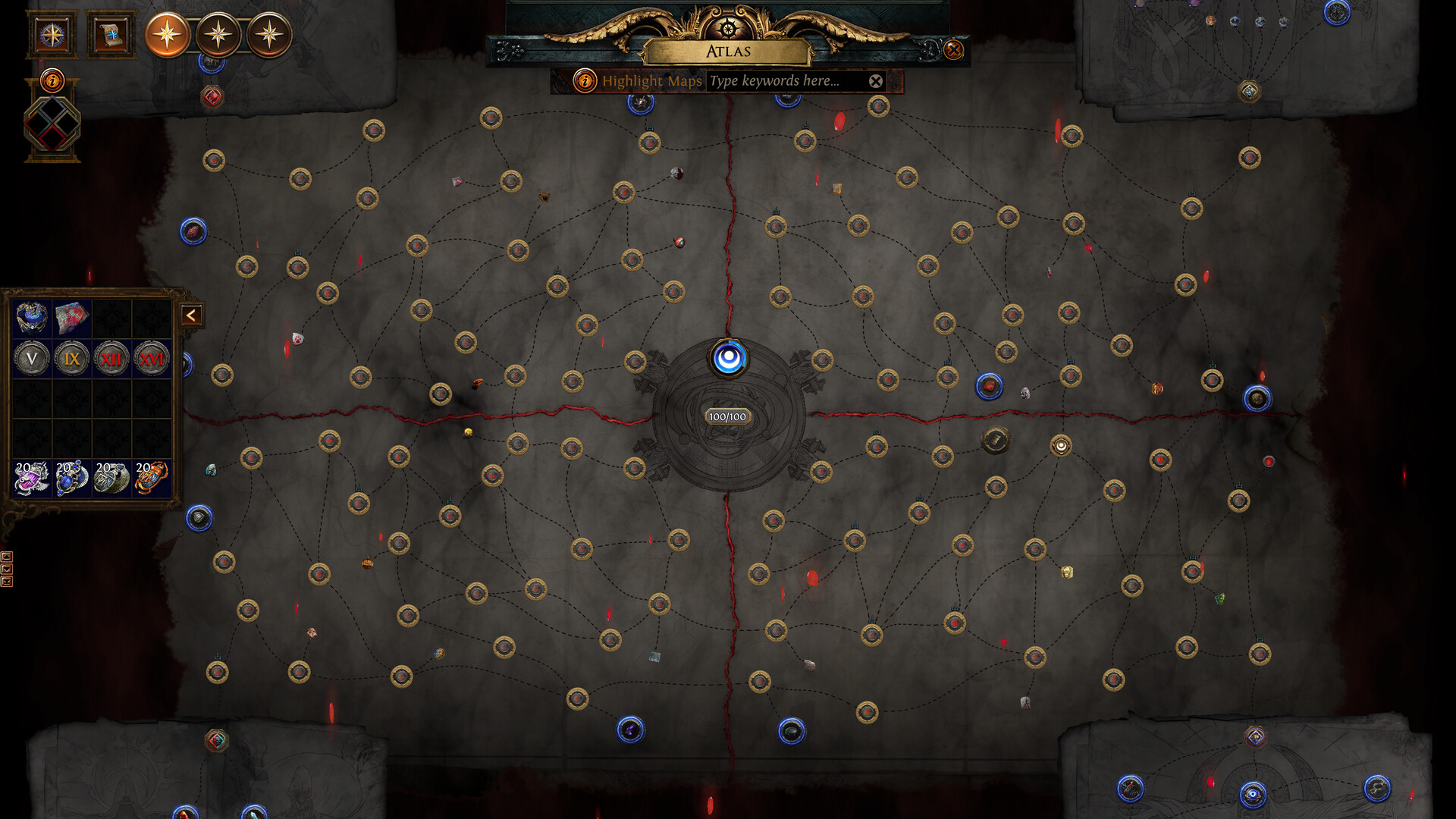
After my recent escapade that taught me I wasn’t grinding enough in Persona 4, I got thinking about progression systems and how they manage to feel rewarding. I don’t mind grinding for 2 hours in Maps on Path of Exile (PoE) for a level, but the idea of doing that in Persona 4 is straight up dull. Maybe the best progression systems don’t even have levels and stats at all…
That Really Grinds My Gears
Maybe we shouldn’t be surprised that a company called Grinding Gear Games requires us to rinse and repeat maps for the endgame in Path of Exile. It’s the result of the grind as well as the process that makes it fun to do, though. We might only earn a single skill point for doing it, but one skill point in PoE carries weight. On an endgame build, every single point is vital for either efficiently getting you somewhere, or providing a Notable that is required for your build.
Being a higher level in Persona gives you the stats to win, whereas being a higher level in PoE gives you the skill points you need to create a build that, when combined with your gear, provides you a platform to win from.
“Real-World Progression” that doesn’t rely on numbers
PoE and Persona use a fairly expected system: You earn EXP and level up, and your level gives you extra stats right there and then.
What I want to talk about now is an alternative to this that I dub “Real-World Progression”.
The general differences are thus:
- Earning abilities. In a traditional RPG system you learn new abilities at pre-set player levels or by unlocking them on a skill tree. In a “Real World Progression” system you do so from NPC trainers, skill books and other in-game usable items or systems that aren’t tied to a menu.
- Levelling Up. In a traditional RPG system you earn generic EXP from kills and quests, which eventually culminates in a level up. In a “Real World Progression” system your level is less important, or non-existent, and needs to be applied or actualised in-game some way.
- Stat increases. At the end of a traditional RPG your character health, mana and the like are just straight up higher than at the beginning. In a “Real World Progression” system, your base stats only change or improve drastically when you use certain potions, manually train or invest in them, or encounter unique events and quests.
- Combat effectiveness. In a “Real World Progression” system your improved effectiveness comes from finding or buying equipment more than it does from a player level and stat stacking. This makes getting leather armour feel actively more valuable and exciting than wearing clothes alone, for example.
- Quests and Reputation. In a traditional RPG system you’d expect to see quest markers and reputation gauges and all manner of HUD or in-menu elements to communicate the game state. In a “Real World Progression” system these elements are instead communicated through in-game notes, dialogue and NPC behaviour.
Survival Horror is a great genre to showcase level-less progression. Your progression in a Resident Evil game is more about you learning the map, having ammo to spare and managing your resources well. You go from feeling like you’re under-equipped to feeling like you’re prepared, and that change is progress. By the end of an RE game not only do you feel more powerful in the traditional progression sense (you have a shotgun now instead of a pistol, for example), but you also have progressed from one mood or playstyle to another.
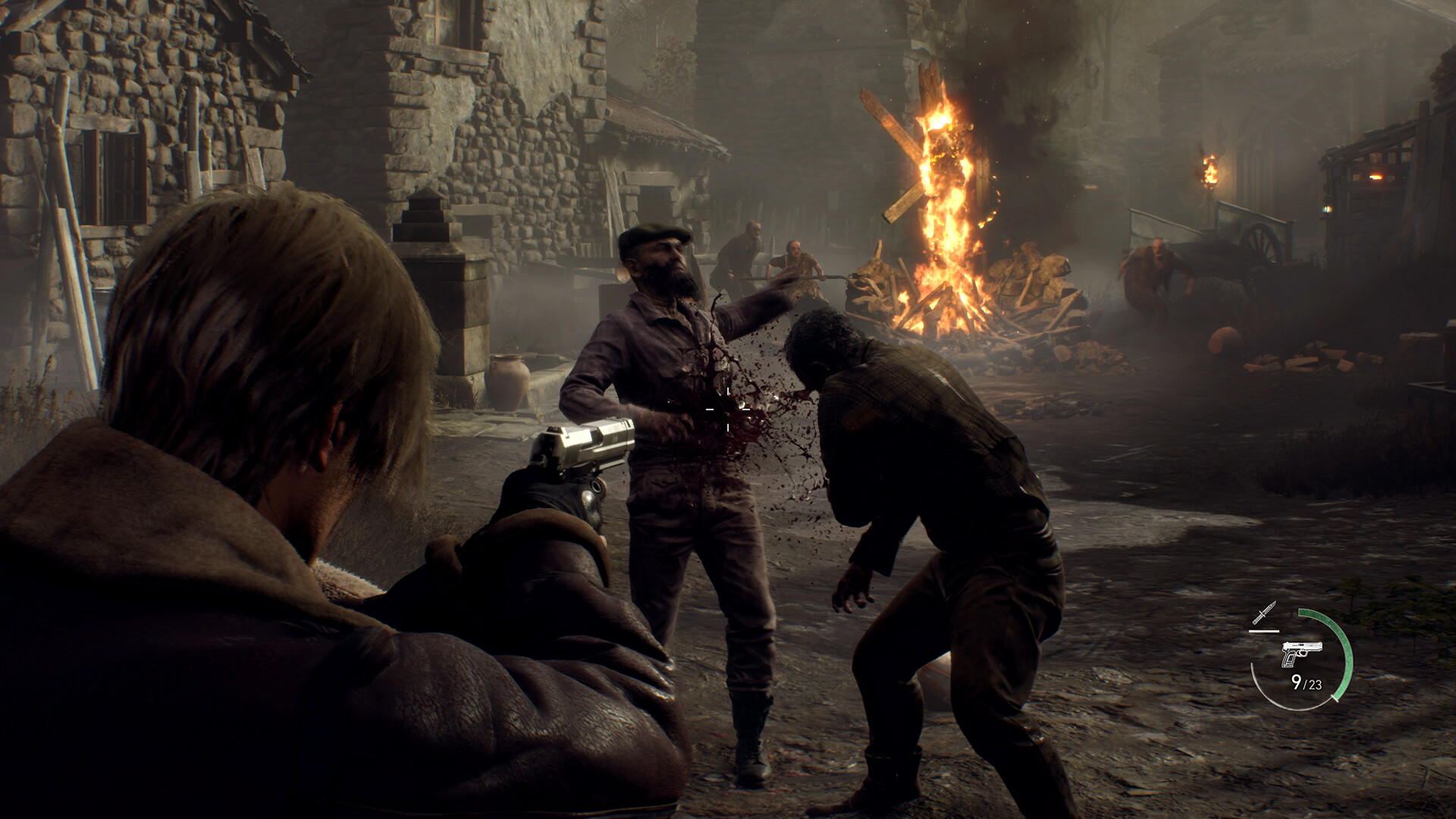
You might be tempted to say that’s just genre differences — that RPGs use stats and skill points while Survival Horror uses resources and relaxation levels to measure progress. However, there’s a middle ground. “Real World Progression” isn’t just found in other genres: RPGs can do it too and it often results in some fantastically immersive design.
Eurojank: The king of alternative RPG progression
The Gothic 1 Remake just released, and the original is an example of how alternative progression systems to traditional levelling can work.
In Gothic, you don’t have access to a skill tree menu, instead you earn experience and spend it at trainers. These trainers can only train specific levels in specific faculties, since the hunter you meet in the first forest is unlikely to be able to teach you fire magic…
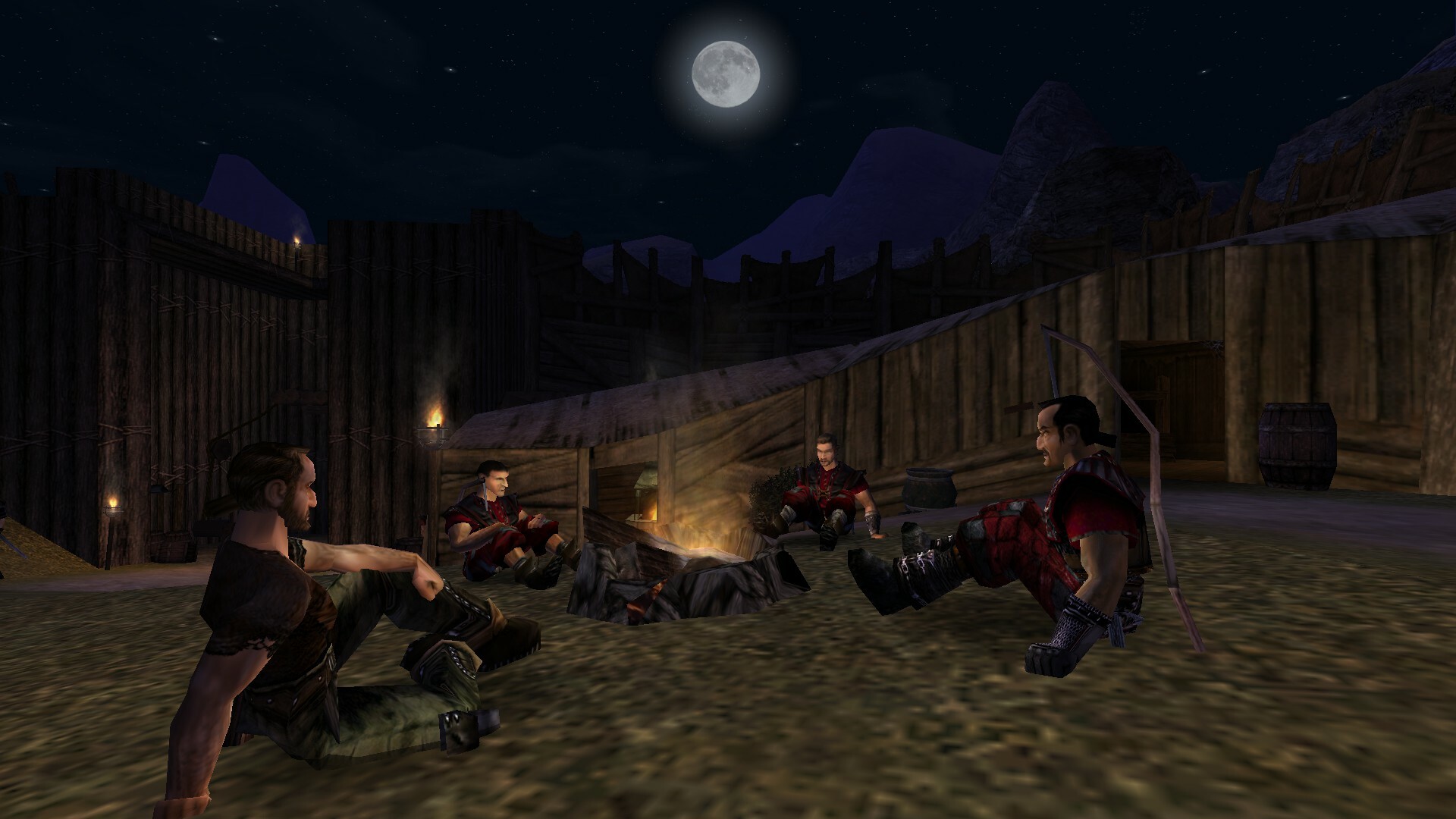
Not only is how you spend EXP different, but the training process also takes money. You have to pay your teacher for their time, and often that means amassing some extra funds just for that purpose. In a game where you start with literally nothing but the clothes on your back, this requirement adds in meaningful player choice over who you train with, and when.
The choice to train is more than just “I have a skill point, may as well shove it into something”, and instead becomes an engaging and role-play aspect of the game.
Relying on “Number go up” can be a crutch for better game design
Relying on NPCs for training also inherently forces the developer to create a more immersive world. If the player needs access to trainers, those NPCs need to get made. They need to be named, positioned somewhere that makes sense for their trained skill, fitted into the faction system, and have quests assigned. All of those design choices for the NPC need to consider that this character is a master archer, or a novice swordsman, or a fire mage etc. The ability for them to teach you (and how willing they are to do so) plays into their character and by extension the entire game world.
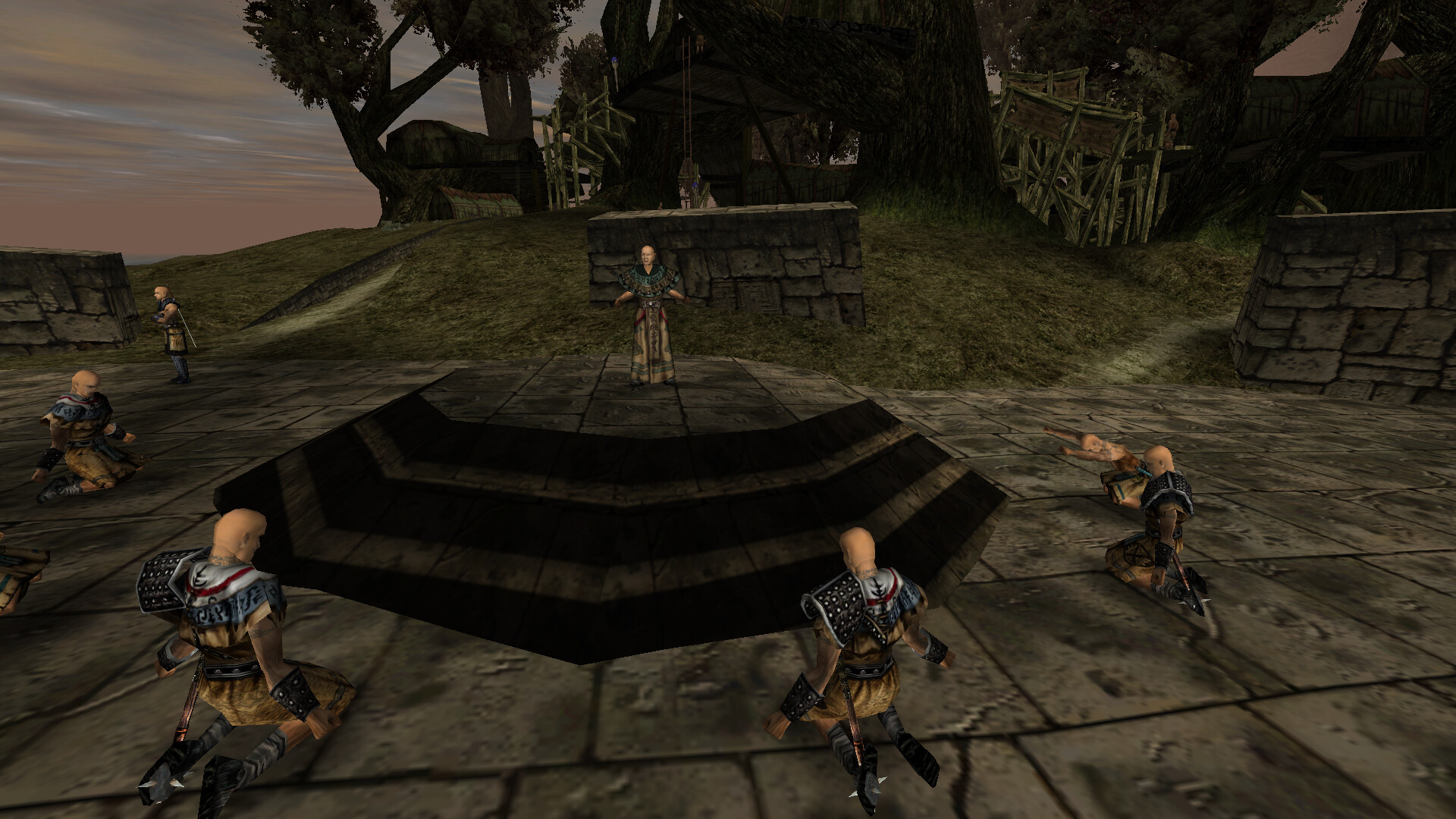
In a game with a player-activated skill tree, all those design decisions are optional. In a game with trainers, those decisions are required. This ensures the NPCs in the game have a degree of design that some RPGs simply don’t provide, because on some level they don’t need to.
Gothic excels at the “Zero to hero” story because everything in the game takes resources, time and a bit of luck. You aren’t going to suddenly be able to best the strongest Orc in the lands just because you swung your sword at a chicken a few times, because no amount of stored EXP means anything if you don’t have the money to invest in a trainer, or if you don’t have the reputation to convince that trainer to help in the first place!
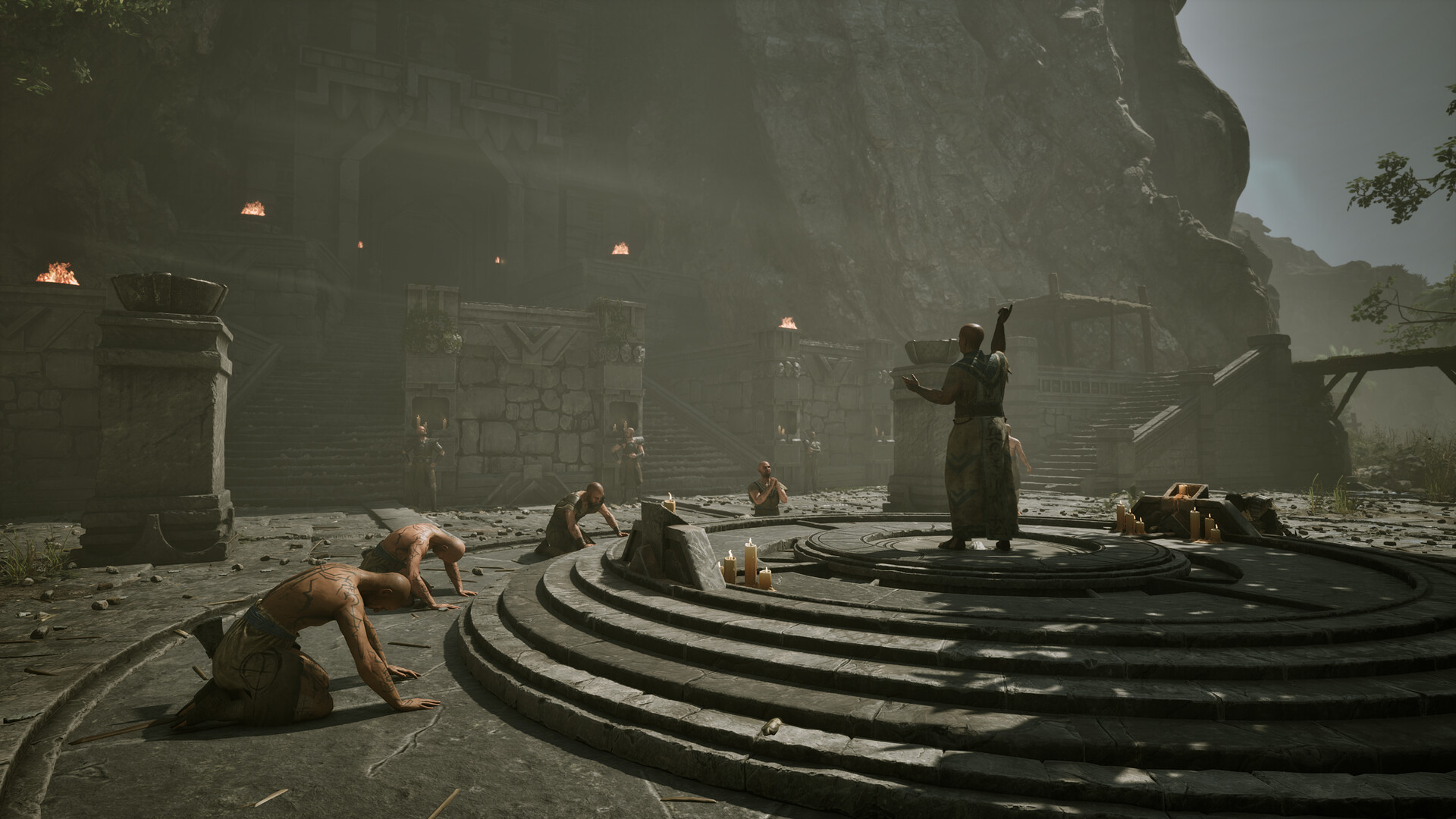
You don’t feel like you progressed because of your player level or damage numbers, but because of palpable changes to how you interact with the game world. You can go where you like, speak to who you want, stay easily fed and wear fancy armour. The fruits of your labour aren’t tucked away in a menu, they’re right infront of you when you play the game.
Imagine menus and UI don’t exist: How do you communicate to the player now?
Let’s say the player needs to know their standing with a faction.
The easy solution is to give them a reputation bar and set a point on it between “Hated” and “Loved” that moves when you do stuff. But, if a developer wants to have Real-World Progression instead, they’d be forced to show that position in the game world itself. They can’t rely on a menu to do that work for them. So we get facial expressions, people saying dialogue when you’re near that isn’t a friendly greeting but instead more disgruntled, people refusing to give quests or train you, guards drawing weapons when they see you…
All of these changes are visible and experienced by the player as they play, not viewed in an out-of-context menu. This is where my term “Real-World Progression” comes from — your progression is measured in how the game world looks and reacts to you (and how you engage with it) more than what a menu says.
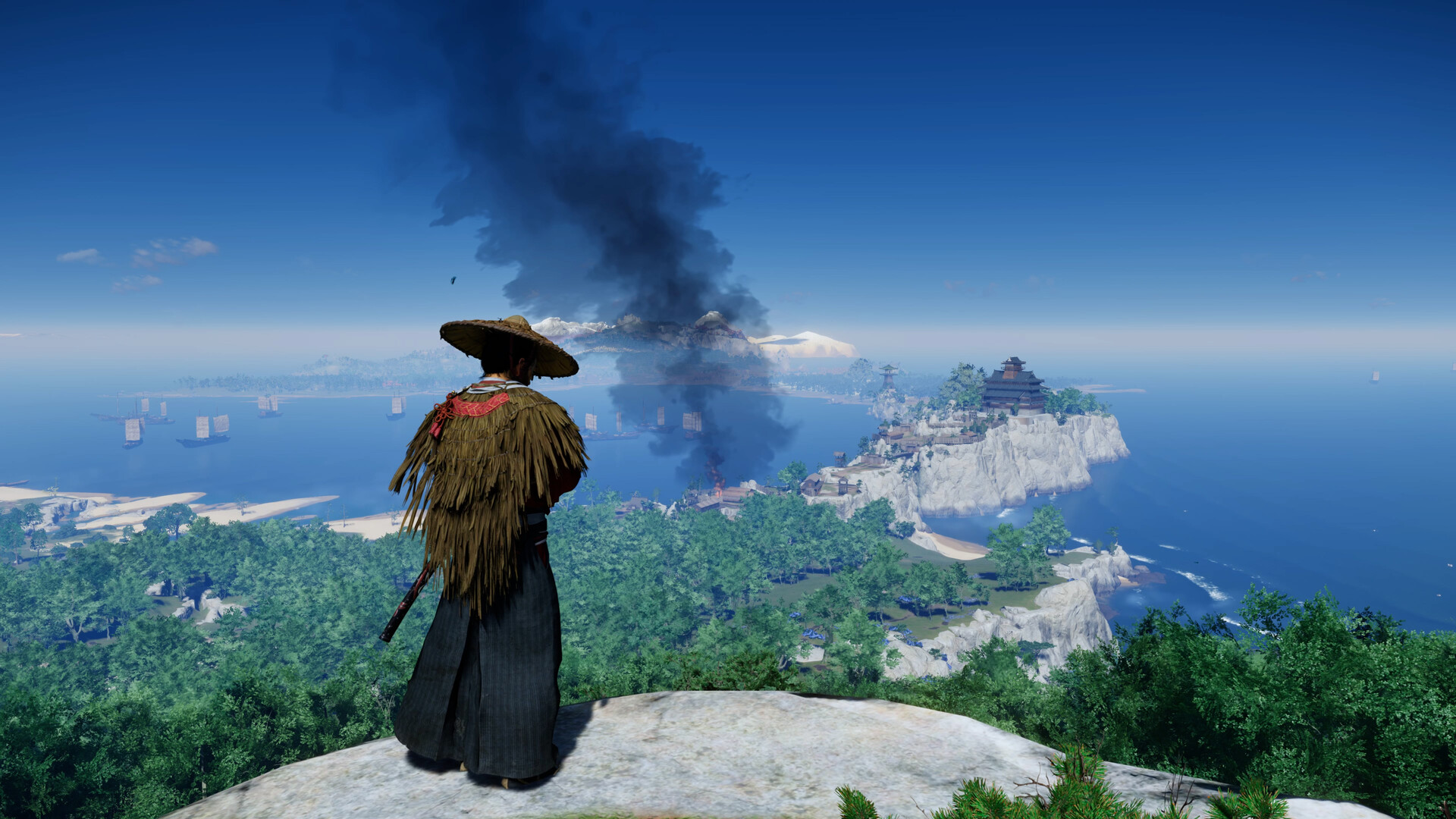
Ghosts of Tsushima is another great example. They wanted to guide the player to objectives and locations without needing a menu or HUD markers everywhere. So they had to ask themselves “If we remove the HUD, how do we communicate with the player?”. The answer was wind direction, animals leading the player and visible in-world elements such as smoke stacks. These are elements that would simply not be in the game if they had used the crutch of on-screen markers. Choosing to remove these elements actively encouraged more innovative design.
How HUD can ruin a game: Skellige
To provide an example of HUD overload being handled poorly, and the negative effect that has, just look at Skellige. Skellige is a region in The Witcher 3, a hugely popular and acclaimed RPG. The area is filled to the absolute brim with question marks on the map, the majority of which aren’t even above ground.
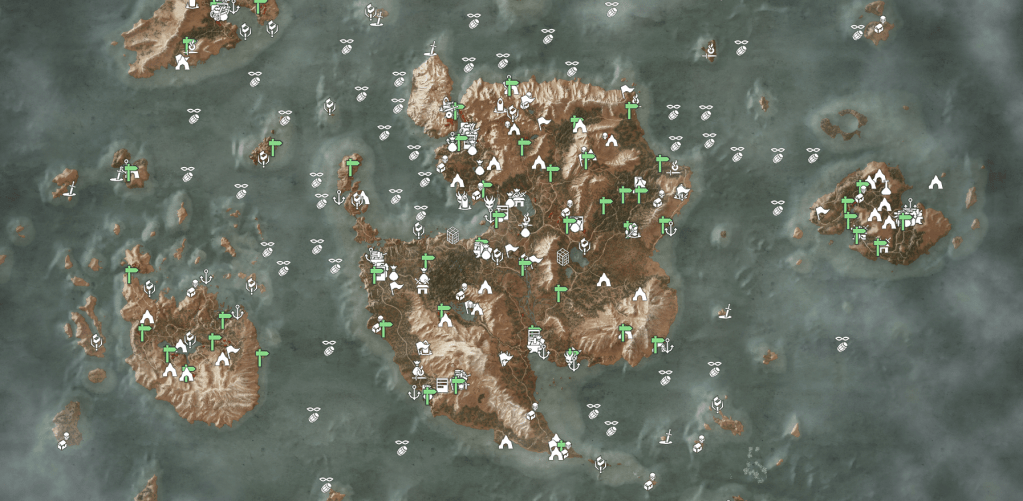
Despite the praise for the game as a whole, it fails to have much meaningful real-world progression or navigation. Your power is tied up in menus and skill trees and armour sets. About the closest it gets is Decoctions and Oils, which incentivise preparing the right potion for the right encounter, rewarding you for identifying the enemy type in advance.
When it comes to navigation, though, it’s map-spam central. You stare at your map for a good while, marking points and then following an on-screen marker. Wouldn’t Geralt pulling up an in-game compass and the camera pulling to first-person to see the direction (even if it was a fake “compass” that pointed towards your quest, not north) be all the better?
Not to mention Geralt is a hunter by nature, but that really just boils down to spamming Witcher Senses and following gold trails, nothing as involved as Tsushima has. Admittedly Tsushima was years later, but Real World Progression and navigation had been around in games prior to this.
An RPG with no player levels at all: Can that work?
The other prime example of real-world progression is Outward.
Outward is an RPG with no player levels at all.
You don’t earn EXP.
You don’t level up.
You can pay trainers for their time and expertise to teach you skills, but then it’s up to you to have the weapons or tools needed to actually utilise it. You begin as an indebted survivor with a fishing harpoon and can become a buff-spamming rune mage who cannot die, but it’s not done by farming EXP, it’s all done in the game world.
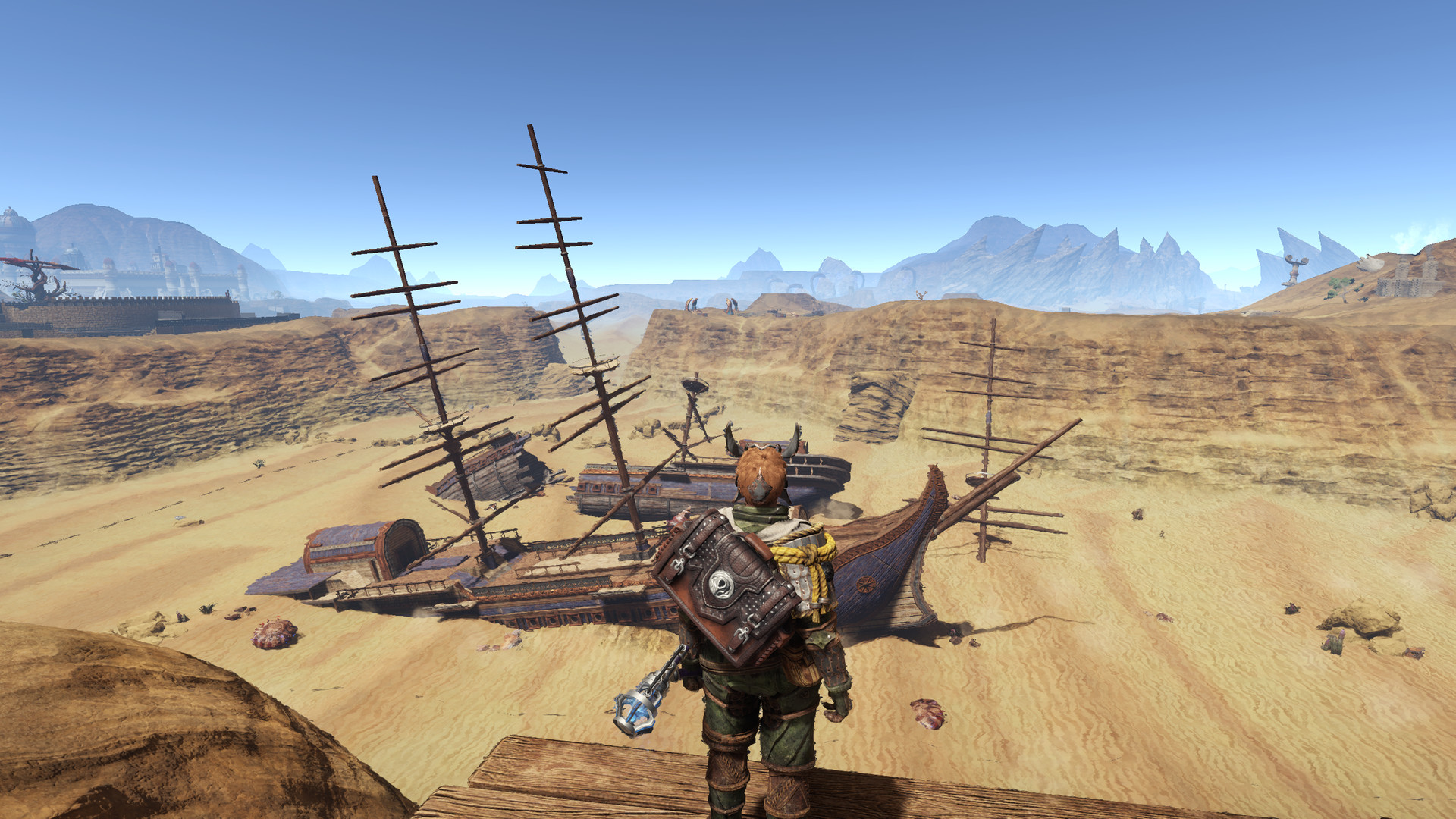
Hell, even unlocking Mana in Outward requires a pilgrimage to a “Leyline” in the world, and then a ritualistic sacrifice of Stamina in exchange.
Looting, trading, hunting, crafting and getting quest rewards slowly builds out your potential. It’s not that you have any more HP at the end of the game than the start, but you have the knowledge, tools and equipment needed to make that HP last longer and recover faster.
Alternative progression systems change more than just levelling
These games take you through the same process many RPGs do, but they do so without relying on menus and numbers. Instead, they communicate your progression through real-world changes. Putting on a well-crafted piece of armour, defeating your first bandit or finishing your first dungeon are milestone markers that themselves measure your progression, rather than needing a pop-up telling you to feel good because you got EXP from it or earned reputation points.
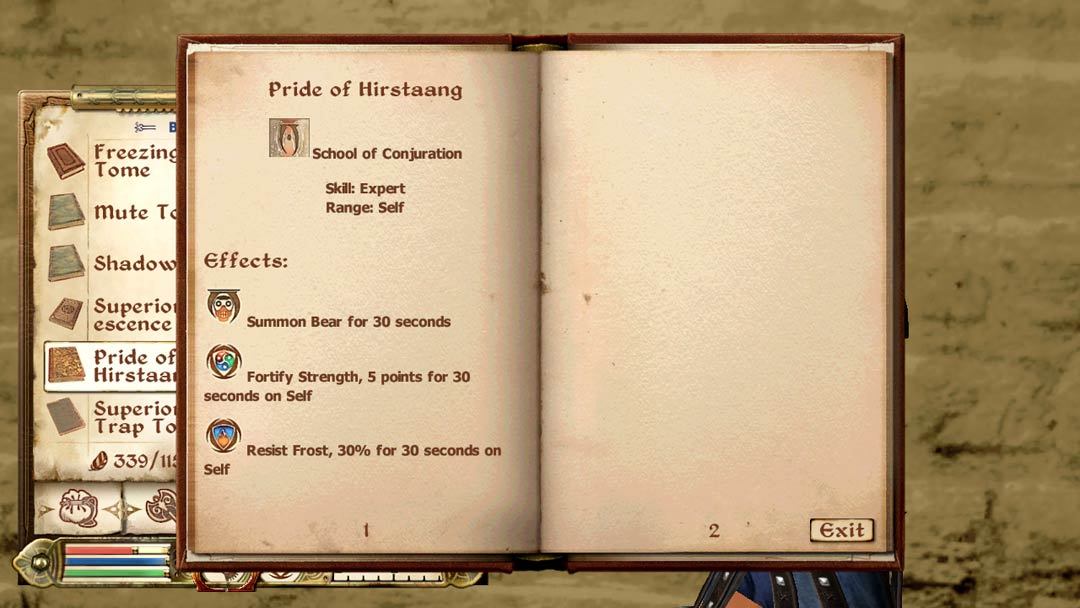
The changes in world, NPC and game design when using Real-World Progression are vast. Extra time and thought has to go into the details of characters and locations to facilitate player communication. It just shows how much menus and UI can detract from certain RPGs. By solving all player communication with an on-screen message or UI element we miss out on a better alternative.
Ghosts of Tsushima using the wind to guide the player, rather than always-on-screen map markers and arrows, is a fine example of how when we force ourselves to not rely on HUD and menus, we innovate something better.




Leave a Reply