Okay, technically I played SnekromancY and Blocky Dungeon, but these are two games which wear their inspiration (or rather, core game mechanic) on their sleeve. More and more indie games are showing us that the heart and soul of an inspired idea can carry more weight than 4k raytracing and a million progression systems. These two games take classic, simple games from decades ago and bring them into the modern indie scene with incredible results.
SnekromancY is Snake but also a minion-management roguelike
In SnekromancY you play as…a snake. The snake can only move in 4 directions. The snake gets longer when you eat things. So far so Snake.
What SnekromancY adds to the classic formula is a HP and progression system, and a tower of enemies to conquer. You begin as a 3-segment snake, but eating food (and enemies) as you ascend the tower will give you more length.
As well as the traditional “Don’t hit your tail” gimmick, this length is also used as part of the new RPG systems – it represents your maximum health. When you take damage you lose HP until the bar is empty (I promise I am explaining something that needs explaining, not just treating you like a 3-year-old) but when the HP bar runs out you don’t die, you lose a segment of length.
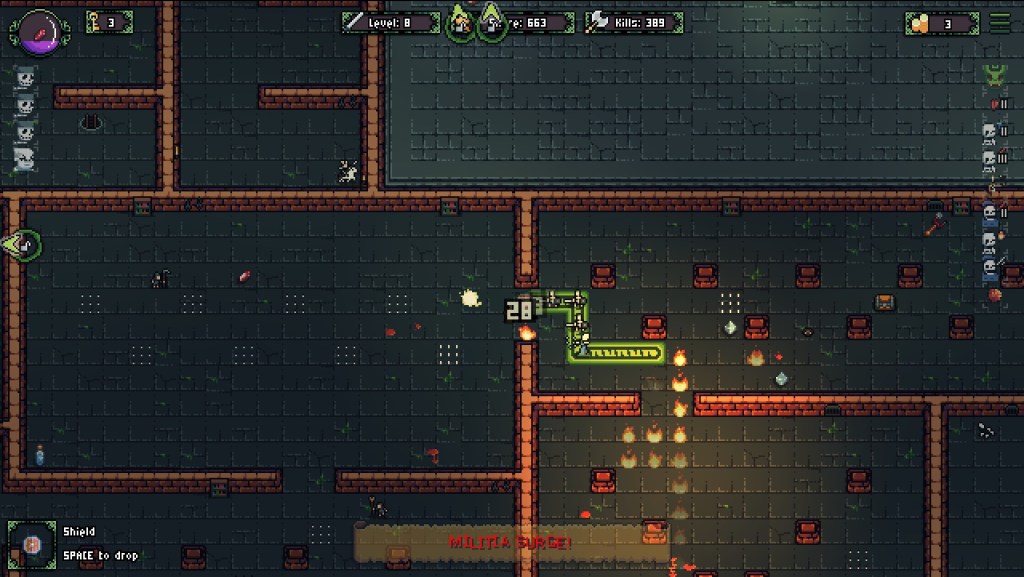
This means that as you eat and buff up, you’re longer and healthier but also can be hit substantially more. Avoiding attacks is harder or impossible at higher lengths, and once you’re small again the gameplay shifts to more precise, sudden movements rather than setting up tower-defence style kill zones with your body.
Minion management directly related to your movements
It’s not just your body and mouth that’s hurting enemies, though. On your back as you slither about are skeletons and spooky ghosts and savage zombies. These minions take up one segment each, and will auto-attack nearby enemies with their specific weapon. Taking skeletons makes close-range enemies fall faster, while zombies are better for thinning hordes before they reach you.
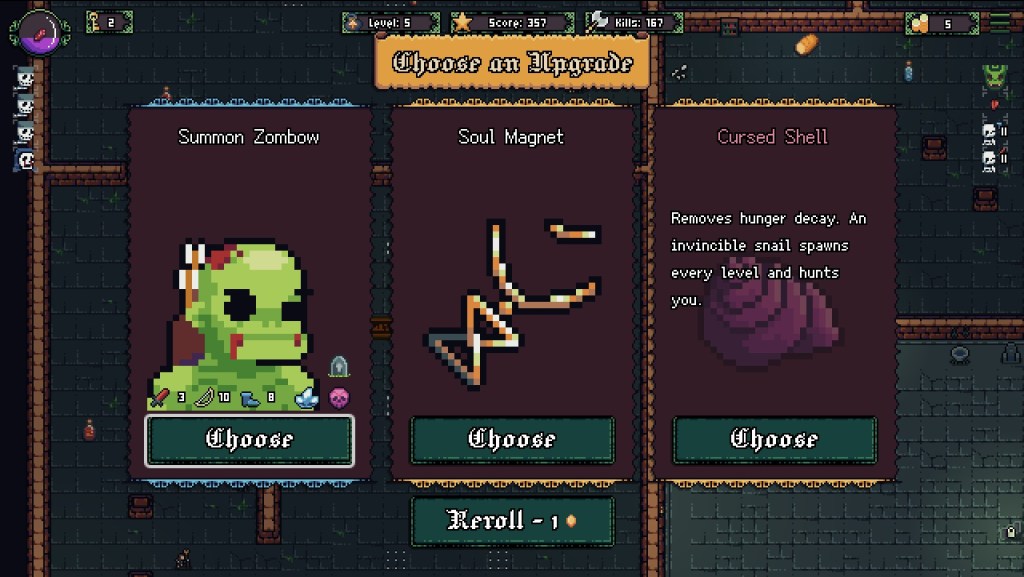
Not only does this layer a management and damage system onto the base Snake mechanic, but it has some interesting knock-on effects with how HP works. Like I said, your segments provide additional HP, but lose enough HP and you lose a segment. This includes any minions that were using that segment to ride along and wreak havoc from.
So, a healthy snake is a long snake, and a long snake means lots of placements for minions which means more damage, and more varied ranges. As you take damage you become smaller, but also lose your offensive abilities as your minions fall off as well.
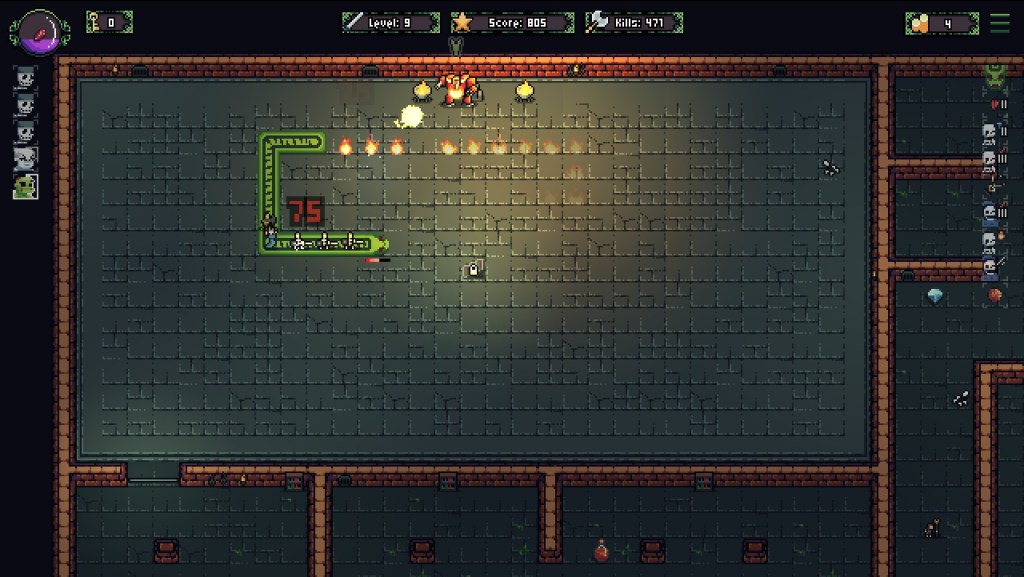
This makes placing important minions closer to your head a good shout, so that they are around even when you’re on your last…uh…legs? Inversely, placing minions right near your tail is a gamble. You might have better coverage that way, getting damage out while you’re still in the process of turning around, but as soon as you lose just one segment that minion is gone.
It’s a neat little decision to force a player to make, although in its current demo state there’s not really enough meat to the bosses and progression to make it pivotal in early runs. Nonetheless, the game lives up to its name and successfully brings Snake into 2026.
Blocky Dungeon is Tetris but also a turn-based dungeon crawler
There’s so much to say about Blocky Dungeon.
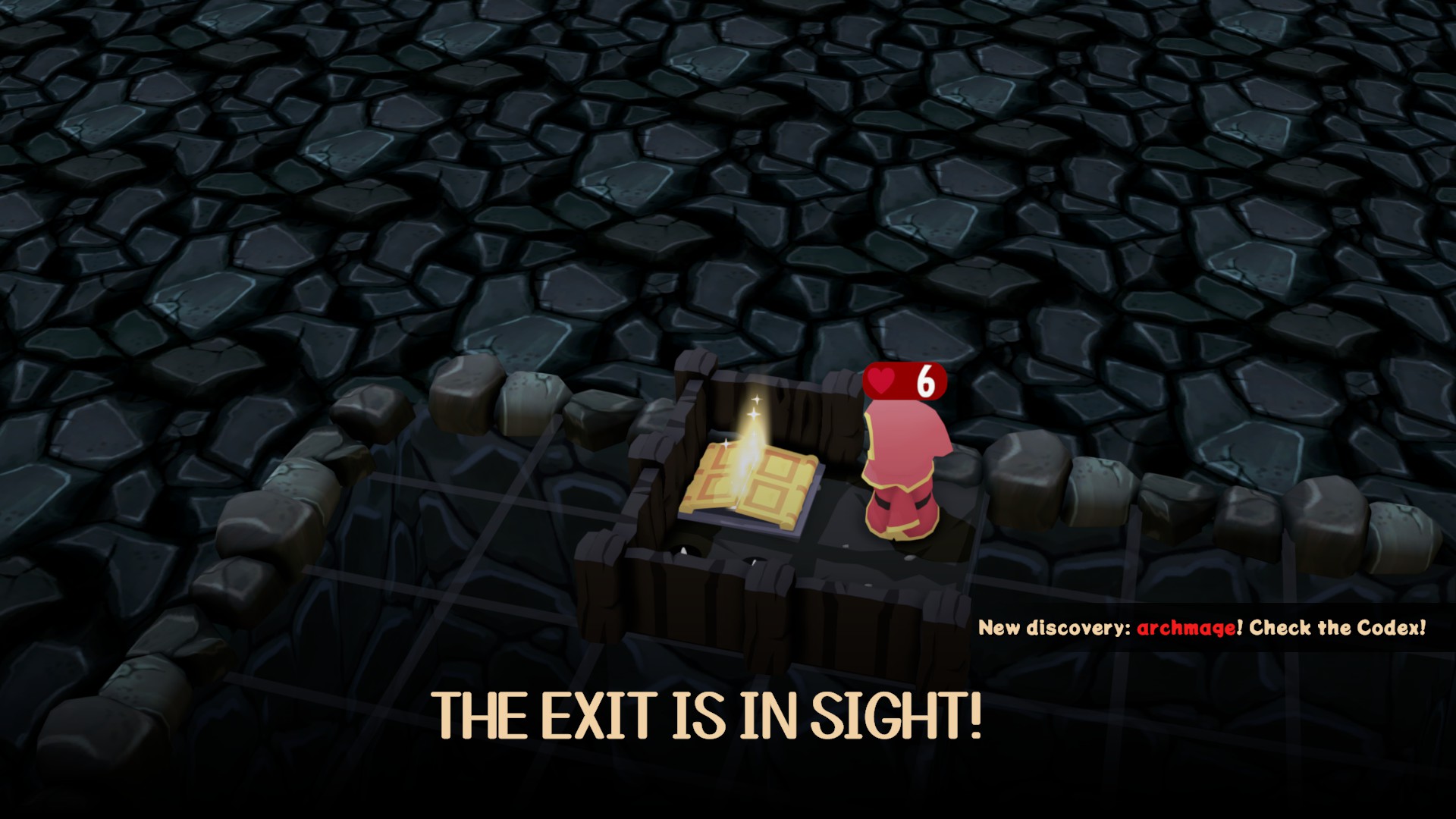
The core concept sees you place Tetris blocks that are actually the rooms and corridors of a dungeon, inside which you also control a little roaming knight. You are basically playing two games at once: You’re checking your upcoming tile shapes and forming rows just like a normal game of Tetris, but you also have to think about how your little knight will have to navigate those rooms, corridors and inevitable gaps when you mess up a placement.
Enemies, chests and the like aren’t randomly distributed after placement, but instead are clearly visible as you are placing each tile. This means you might choose to put a tile in an suboptimal place for a game of Tetris, but an extremely optimal place for your knight (For example placing a boss in a row you are about to remove, or placing a health potion closer to you even if that causes a gap).
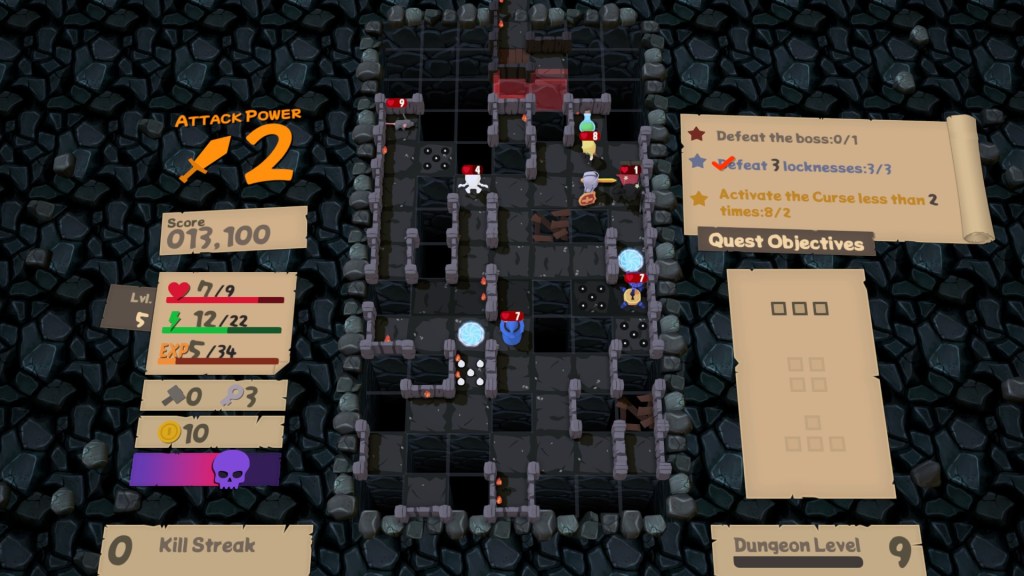
Deep puzzle-based combat inside a familiar placement game
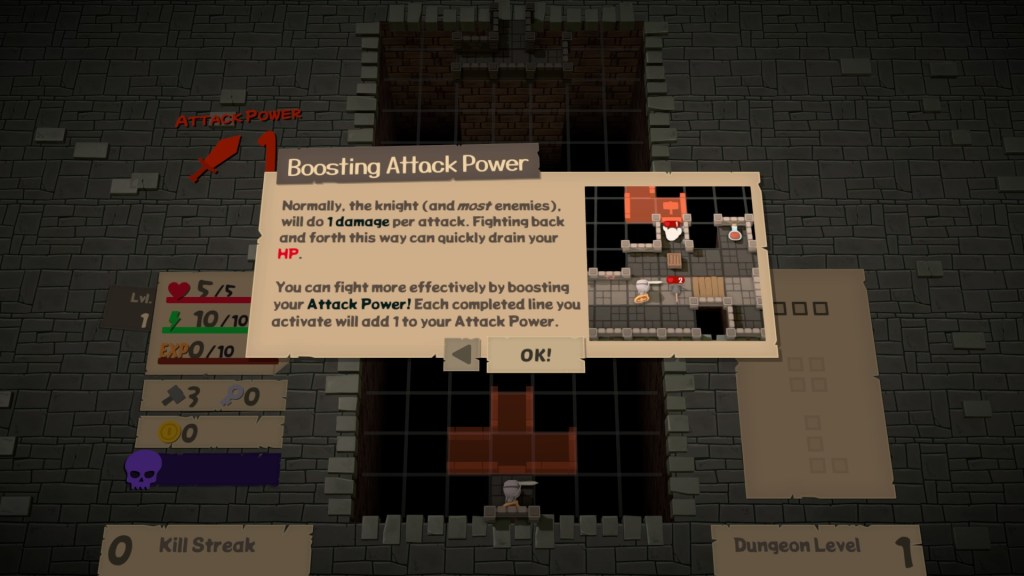
The combat inside the level you’re crafting is also a puzzle in itself. Enemies have a HP value and you have a power level. Every turn (which pass when you place a new dungeon block) you are at 1 Power. If you hit a crate, enemy or claim a completed row your Power goes up. Exactly matching an enemies’ power results in keeping your combo and raising it even higher. Chaining together a 1HP enemy (raising your power to 2), then running to hit a crate to get to 3 Power, so you can then finish a 3HP enemy feels great and adds a target-prioritisation element to the puzzle gameplay.
Bosses exacerbate all of these elements by forcing you to consider every move, attack and tile placement with specific boss abilities. Sometimes you want to clear rows ASAP to restrict the boss’ sphere of influence, while other bosses like the self-healing Tengu actually need you to hoard rows until you can guarantee a buff to Power level 8, in order to one-shot the boss before that pesky self-healing can happen.
Even the input method is retro
The keyboard-only two-handed input method is as nostalgic as the Tetris gameplay itself. This antiquated input method that was fresh in my mind after the recent hype around Gothic, a full-on RPG you had to play keyboard-only. Within a few levels you’re comfortably rotating and placing blocks with your right hand on the arrow keys, then switching to moving your knight around the constructed dungeon with your left.
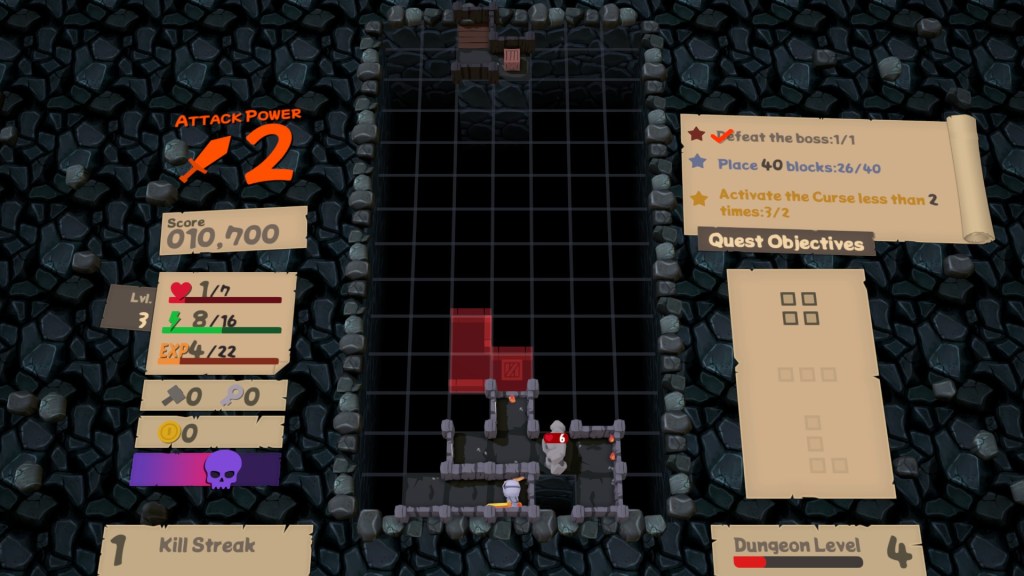
Your hands and brain are certainly kept busy, and it’s a huge credit to the game that I kept forgetting to take screenshots mid-mission as I was so engaged.
Originality isn’t everything
Games like Blocky Dungeon and SnekromancY show that “[Existing game] but [new idea]” is a completely valid way to make a genuinely good game. People harp on about originality, but if Blocky Dungeon is “Tetris but a dungeon crawler” and SnekromancY is “Snake but a roguelite” there’s nothing inherently wrong with that. If I choose to put pepperoni on a pizza that was sold as four cheese, it doesn’t stop the resulting combination being amazing. It isn’t original, it isn’t innovative, it isn’t breaking new ground in the pizza-topping industry…but it’s damn tasty…




Leave a Reply