Gaming is getting on a bit now. It’s old enough and well-travelled enough that it’s picked up habits and quirks from all over, and ingrained them into its personality. I remember being a kid and finding Circle being “Select / OK” on Ratchet and Clank to be absurd, since X was “Select / OK” in other games. That difference is more of a Western vs Eastern one, specifically, but over the years all sorts of different approaches to controls sort of got…ironed out.
Gone are the days of circle to select, L1 to jump, X to shoot and Square to crouch. More and more, games (especially within the same genre) standardised their control schemes. Bottom face button (X, A etc) became jump in most cases, with oddballs like Bethesda keeping it on the top face button (Triange, Y etc). Sprinting and crouching moved to L3 or R3, or the right face button (Circle, B etc).
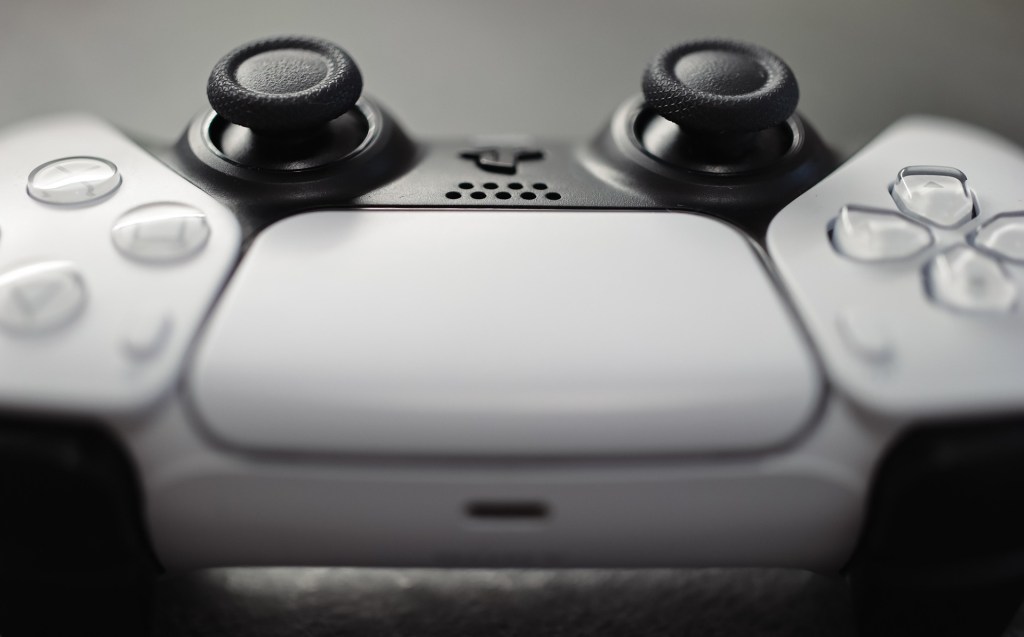
In so many ways this might seem objectively good: Players are now gaining transferable skills when they play one game, allowing them to more easily play the next without having to spend too long learning controls or having tutorials for every little thing.
There’s a problem, though, with such conveniences becoming expectations.
Don’t judge a game by its bindings
It’s easy to start expecting that games of a certain genre have certain controls, and when they don’t that can fuel confusion or anger. I know I died more than once playing God of War 2018 and Ragnarok because the dodge input was bottom face button, and I would just keep hitting right face button instead. Accepting that and adapting is part of learning a game and having the intended experience (unless the game lets you rebind everything, in which case it’s probably an adaptable enough gameplay system that the bindings won’t really matter)so I tend to be more confused than angry.
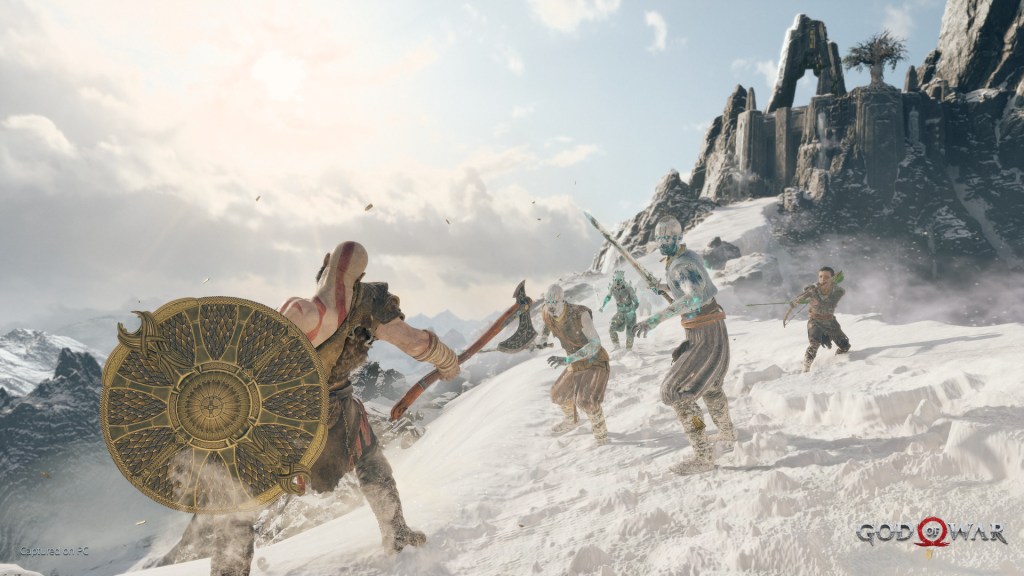
I might question why it’s that button, but by the end of the game it’s all part of the combat flow and makes it clear that it was my own expectations and exposure to standardisation that brought on the negative feelings, not the control scheme actually being objectively bad.
Having one or two non-standard controls is one thing, but then there’s entire games whose identity is the control scheme. Without using unorthodox inputs, these games would not provide the intended experience. These sorts of “experimental” control schemes deserve to be praised and engaged with as much as any other, even if some people will be put off because they’re having to learn something new.
The experimental control hall of fame
In no particular order, here are some of the best unorthodox control schemes that fueled immersion and creativity in a way a standardised system simply couldn’t.
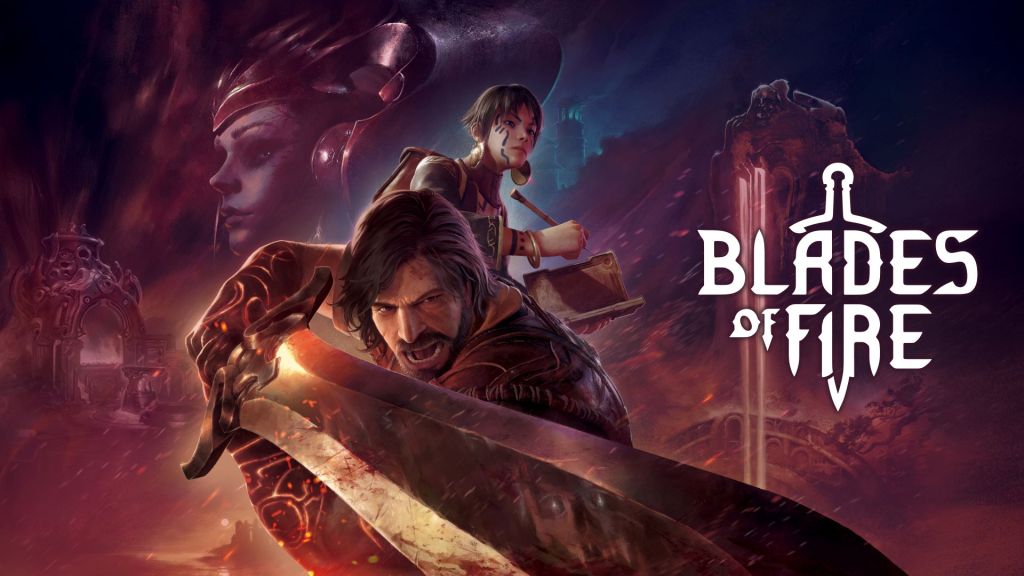
Blades of Fire
Blades of Fire is a weapon-crafting RPG with directional melee combat. The difference between this game and other direction-based fighting games is that your swing direction isn’t based on your movement and camera, or selecting a direction with a stick. Instead, you have 4 separate attack buttons: All 4 face buttons.
Pressing the top face button gives you an overhead or high attack, the bottom face button gives you an uppercut or low attack. The left and right face buttons give you slashes or stabs from that side, according to the weapon you have equipped.
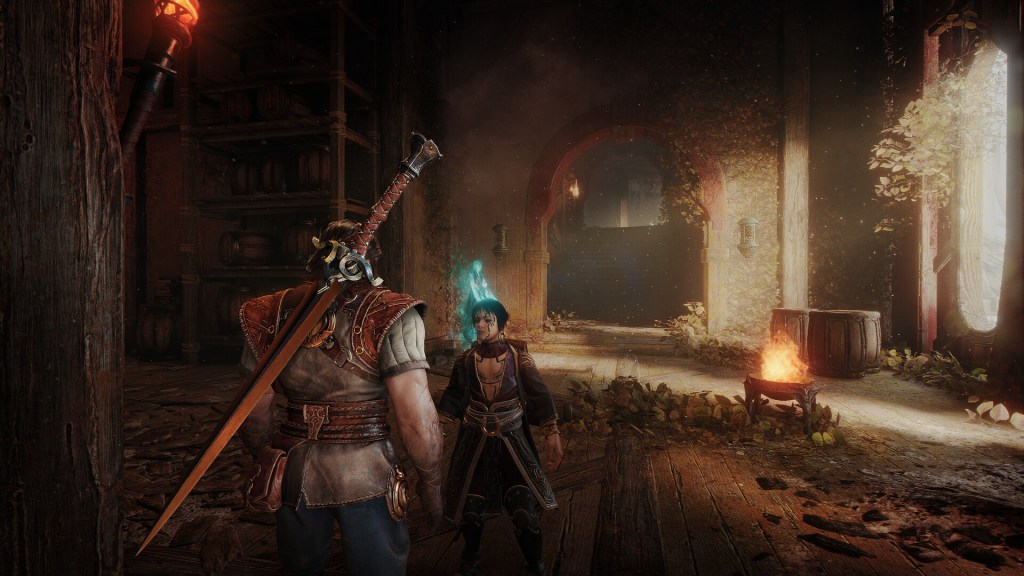
This means you are making your own combos, paying attention to where your weapon ends up after an attack and following on with the best face button to carry momentum, or to hit whatever part of the enemy is weakest to your chosen steel. Enemies have different armour values to different angles of attack, and this makes having instant access to all 4 types (up, down, left, right) vital.
In a standardised system you’d need to be juggling your movement and camera, or wiggling the right-stick to switch stances. This inherently makes combat slower, as the player needs time to assess swing directions and react. Blades of Fire can make the combat as fast as it might be in a standard action game, because the directional combat mechanics aren’t taking any more of your time to implement due to the fact you always have one-tap access to all the face buttons.
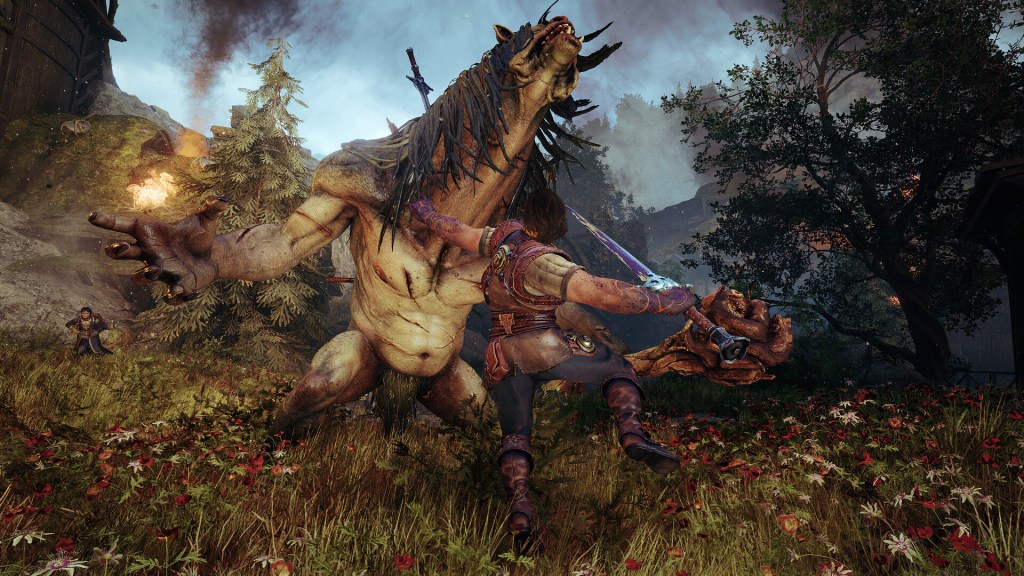
You’ll spend a few hours of the game doing sideways swings instead of dodging, and it’s not going to be pretty learning that L1 is dodge, L2 is block and if you need to regen stamina you have to hold an L2 stance for a moment (like Sekiro). You’ll be out of stamina, accidentally attacking, and die to a troll.
But, once the learning is done and you’ve forged yourself some finer steel…I can’t imagine the controls being any other way. The game is fast, lethal and knows the player has access to all 4 directional attacks at all times. Enemy designs reflect that, with changing weaknesses or temporary effects ruling out certain angles of attack at a moment’s notice.
If this game has R1 light strings going from left to right, and R2 heavy strings going up to down, it’d be a mediocre souls-adjacent thing. Blades of Fire is so much more than that, and carves its own identity with its controls.
Too Human
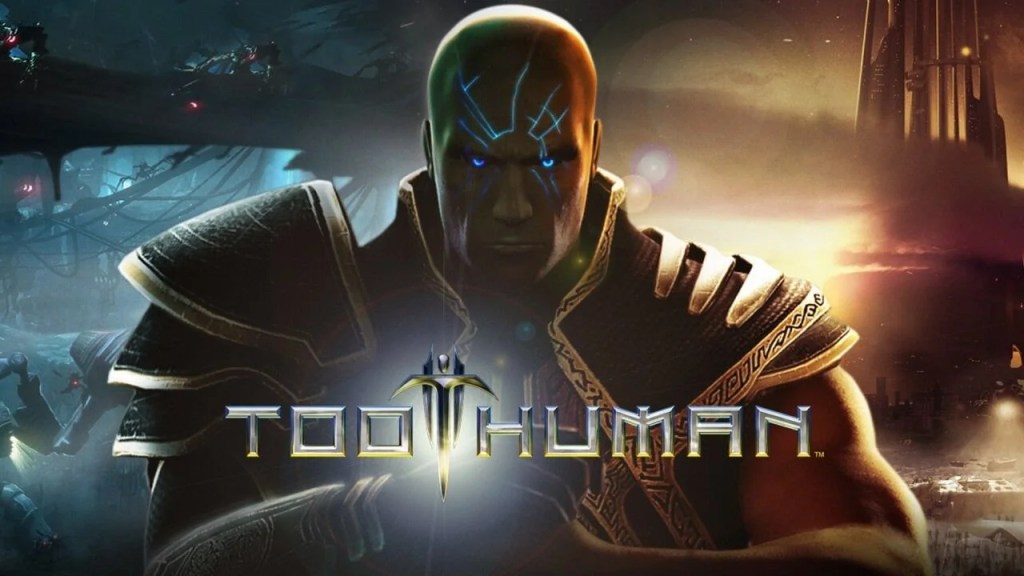
Going back to 2008, now. Action games are all the rage, with God of War II fresh off the press, Devil May Cry at it’s peak, and Darksiders currently in development. In the middle of this trend, Too Human releases. Too Human had a turbulent development, but it’s the final state of the controls we care about today.
Rather than using the right-stick for something sensible like camera or cursor control, it’s actually your…attack button? In Too Human you had to point the right stick towards an enemy (relative to your character) to start a combo, and then perform little flicks and spins and swipes with the stick while the combo was in progress to add in different moves.
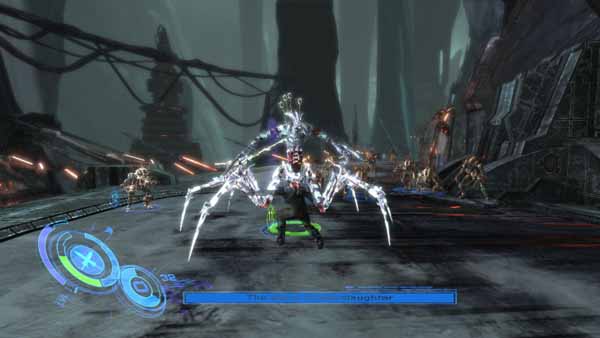
I can’t say I was enraptured by it as a kid, but I did get through the first few levels and still, at the very least, remember it this many years later. Too Human took an established format and threw in a unique control system, and it’s not even like it didn’t work. In fact, Skate 1 had come out just the previous year and shown the world that analogue sticks have more utility than movement and camera controls…
Skate
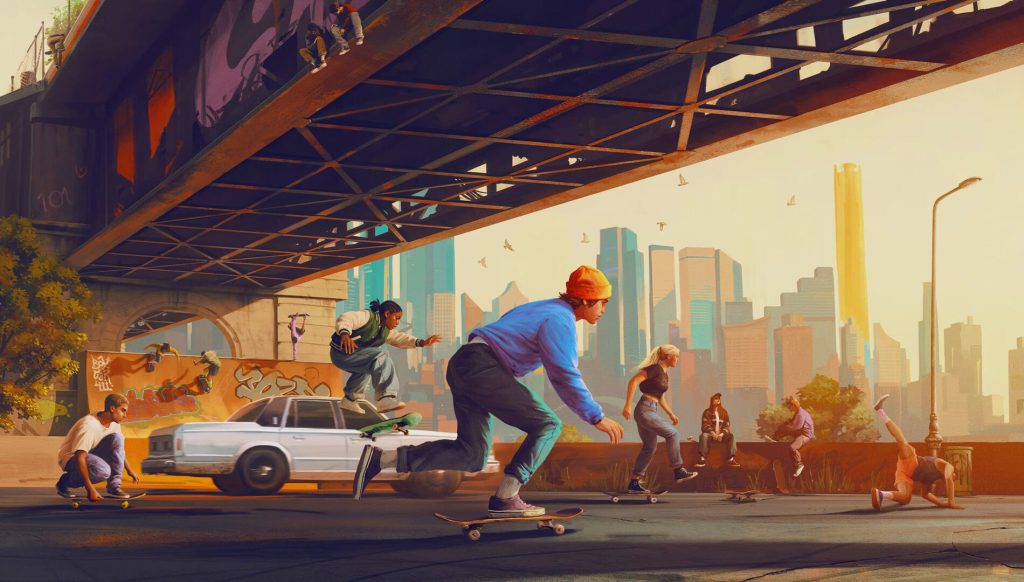
It seems daft calling out Skate’s controls as “odd” or “unorthodox” when it’s become such a staple of the skating genre. The truth is that Tony Hawk’s Pro Skater standardised skateboarding game controls all on it’s own. It was such a behemoth of a series that it basically became the dictator of what goes in a skating game.
Then Skate happened.
Skate grounded skateboarding. You weren’t meant to expect to do a quadruple heelfip 720 with every single ollie, in fact many players would be lucky to ever land a double. The entire control system revolved around the right-stick.
You flick it from bottom to top to Ollie.
You flick slightly to the right or left to kick/heelflip.
For a shove-it, you needed to put the stick at the edge, shifting your weight forward, then circle the outside of the analogue stick area in a curve, resulting in a flatspin-style shove-it trick.
It was involved, grounded and visceral compared to the Tony Hawk’s “press square a million times and spin the stick randomly” approach. While the system is historied and praised now, it caught no shortage of flak from players expecting skateboarding games to all be as accessible as Tony Hawk’s was.
Skate Story
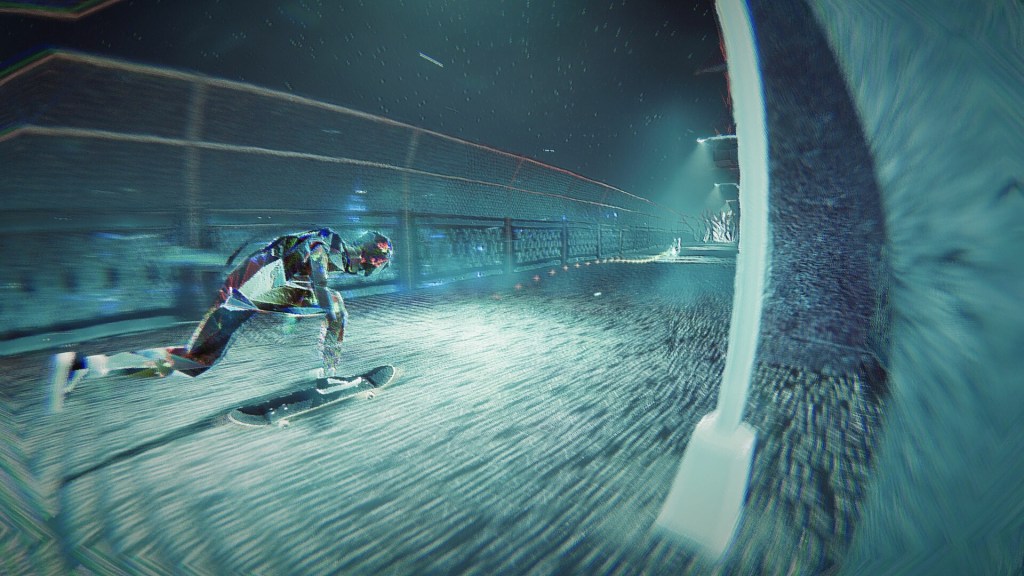
Perhaps the saddest tale on this list. Skate Story is truly my GOTY for 2025, and I know from the reviews that the controls are what stopped people finishing it. Hell, even finishing the first level. I won’t lie and say it’s easy, but the level of push-back against it is still unwarranted.
It’s a skating game that’s more about traversal and little licks than it is big spectacles and halfpipes. A few set pieces, maybe a little kicker here and there, but the game is really focused on speed and momentum and travel more than tricks themselves.
Related Article
Skate Story Deserves Some form of GOTY
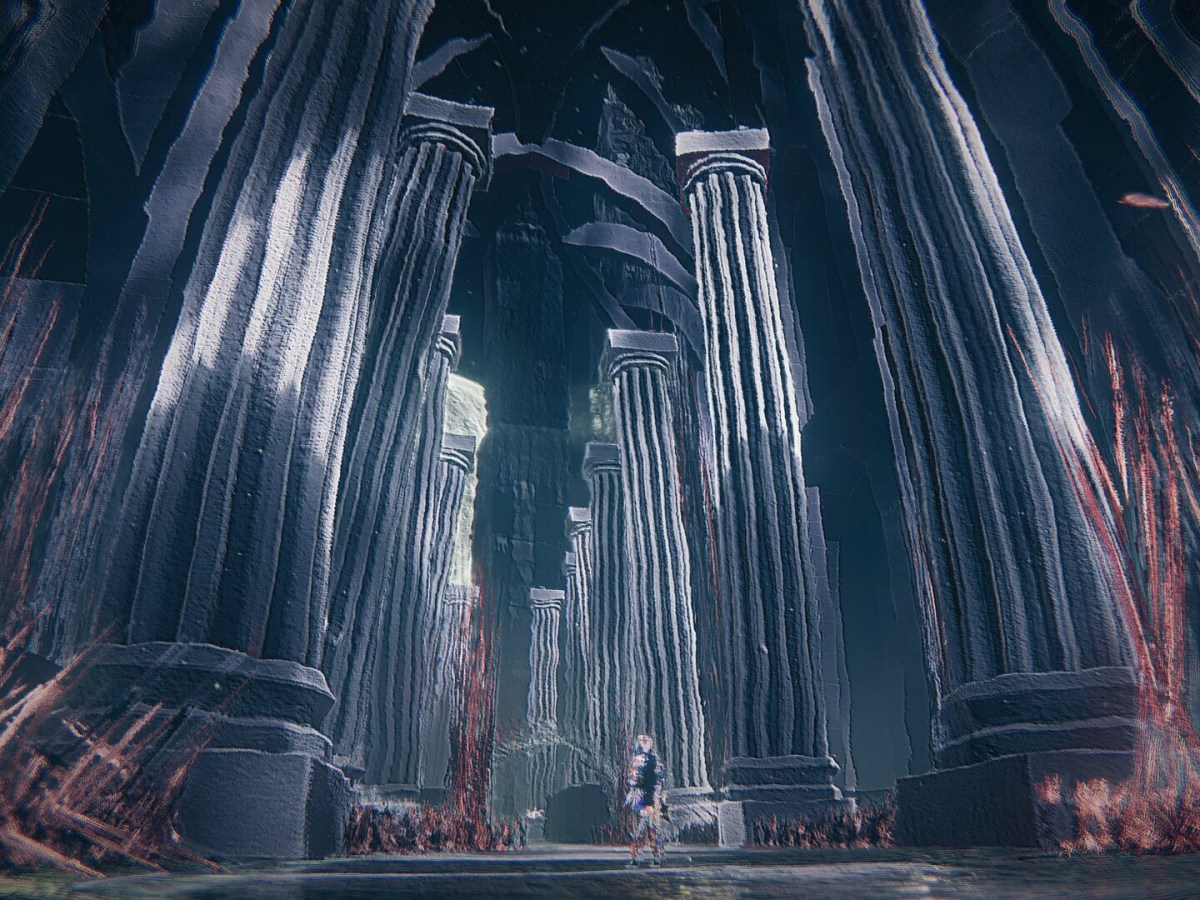
Just like Inscryption, Skate Story takes a game genre and stretches it, pulls at it, shakes it around and impales it on the spear of innovation. What begins as a stylistic and atmospheric journey culminates in truly emotional scenes

The control system is nothing like Tony Hawk’s or Skate, which meant both groups of fans have learning to do. The system in Skate Story relies on you preparing a trick via the correct inputs while you’re cruising around, then releasing the trick at the right moment for maximum air. Perfectly timed tricks pop higher or launch further, and knowing which trick will hop you up onto a ledge or get you across a gap is part of the core gameplay and player expression.
Maybe I’m just a timing god, but even in a game not focused on insanely long combos and off-the-wall tricks I was stringing doubles and varials and all sorts together with perfect timing by the end, despite the fact I was bailing into walls for a couple hours in the begining…
Pragmata and Alter Echo
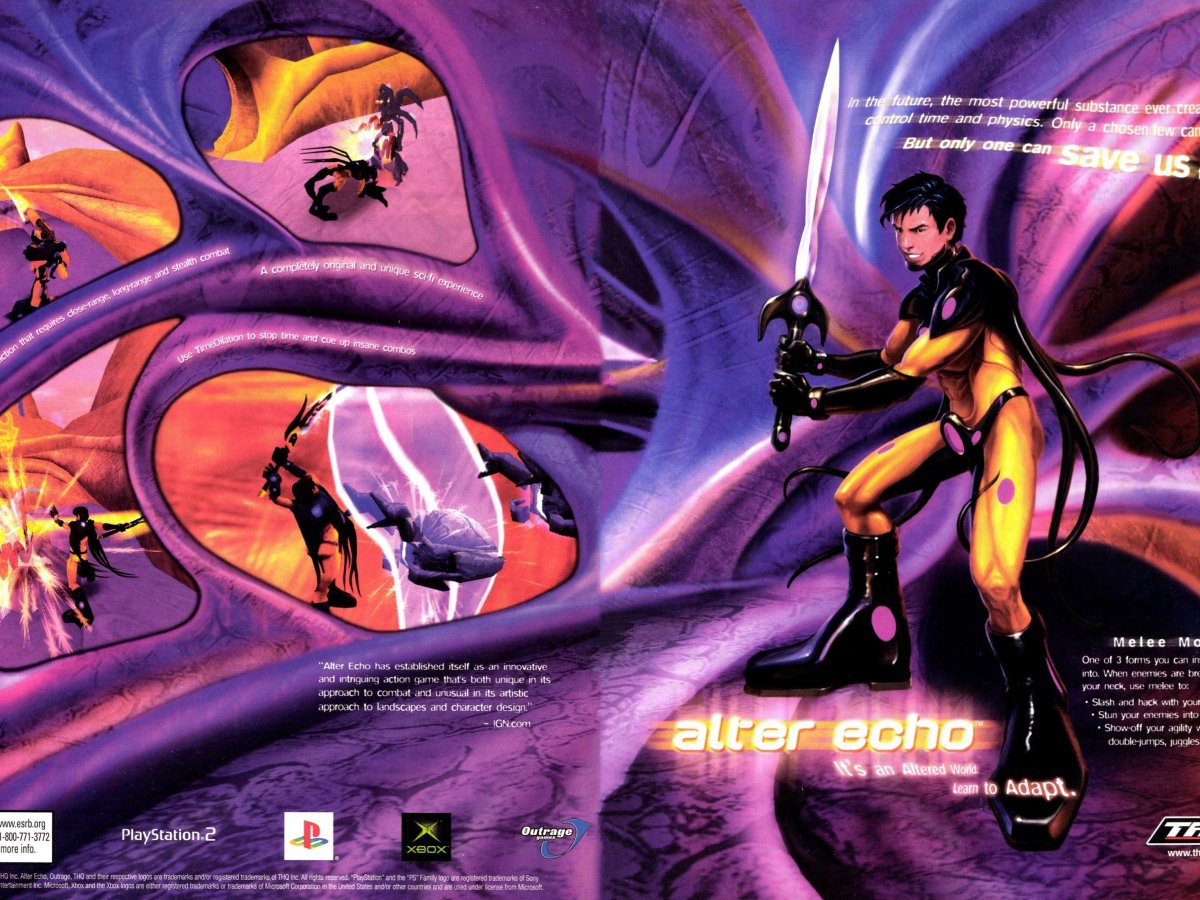
If you’re not sure how the control schemes in a 2026 release and a 2003 one you’ve never heard of relate, read up on this semi-turn based hacking parallel here:
Related Article
I played Capcom’s Pragmata on a demo disk from 2003
This mechanic is rare, but apparently isn’t unique
Middle-of-the-Road Experiments are the Future
With the slow decline of the “AAA” gaming space, those companies are looking more and more into Indie ideas. The fact that we have Focus and 505 publishing some of the most experimental “mid” games is a blessing I wish more people would wake up to. Some games don’t need to shake the world, but they can introduce one good idea, one cool moment, one memorable experience.
Blades of Fire, Too Human and Skate Story are games I will never forget, and their non-standard controls are part of their very soul.




Leave a Reply