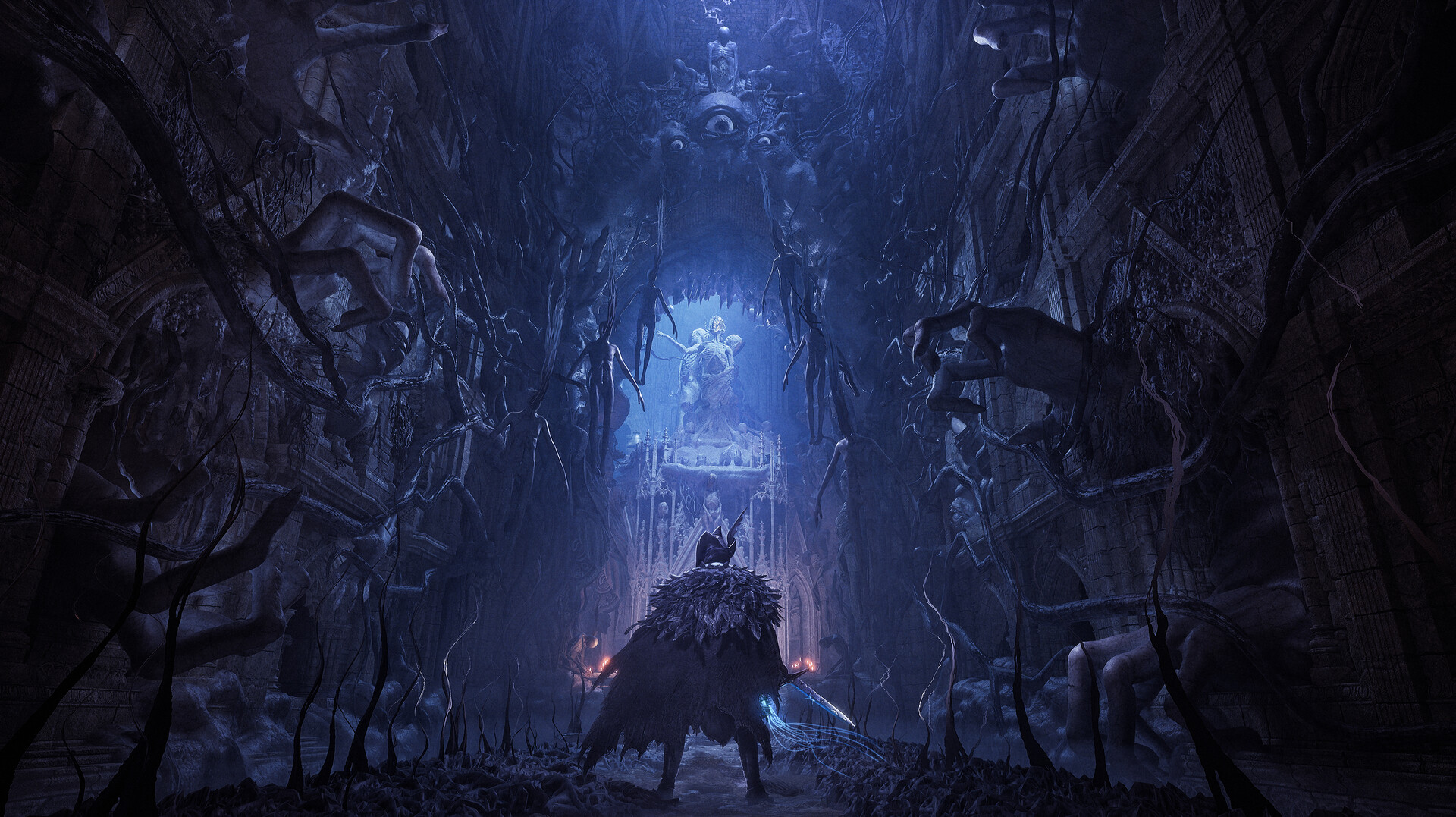
I recently wrapped up a playthrough of Lords of the Fallen (the newer 2023 one that’s actually good, I never finished the original 2014 Lords of the Fallen despite it being around the time I was going hard on Soulslikes) and while it had it’s issues, I did enjoy my time with the weird, gruesome world.
Having that all tied up, and not wanting to do a New Game Plus or challenge run right away, I went hunting on the PlayStation game catalogue for something to put in that morning slot — to chip away at on the sofa before my day starts.
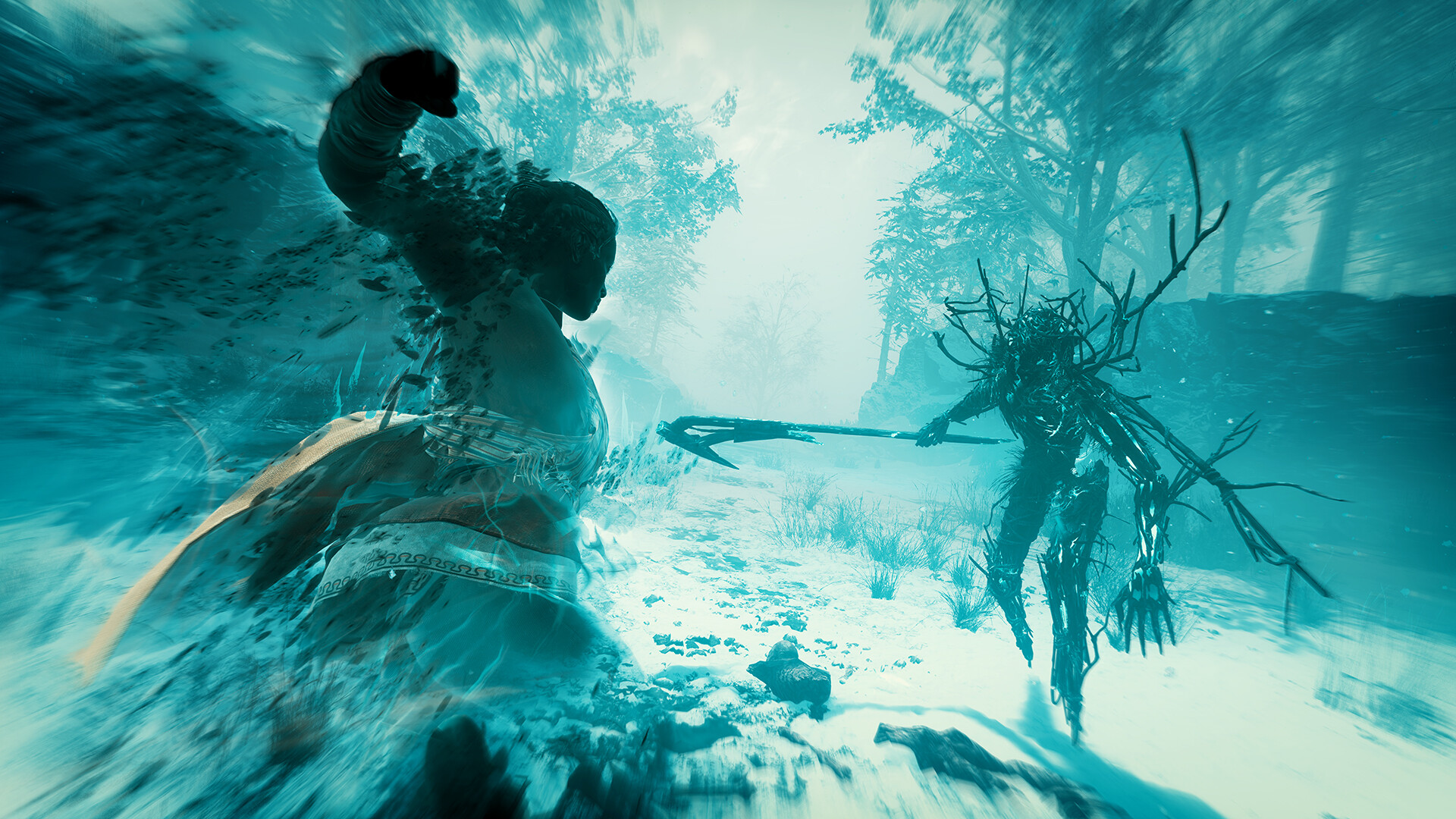
I settled on Banishers: Ghosts of New Eden. It’s a game I remember seeing announced, and the gameplay they showed seemed an interesting mix of detective / ghost hunting and souls-adjacent action combat.
As it happens, switching from something as hands-off as Lords of the Fallen into something as hands-on as Banishers left me feeling straight up bored, despite liking the idea of Banishers…
Storytelling in Lords of the Fallen is deliberately obtuse
Let’s have a look at how each game handles player communication, and see if we can find out whythe interesting story and world of Banishers just couldn’t grab me after Lords of the Fallen.
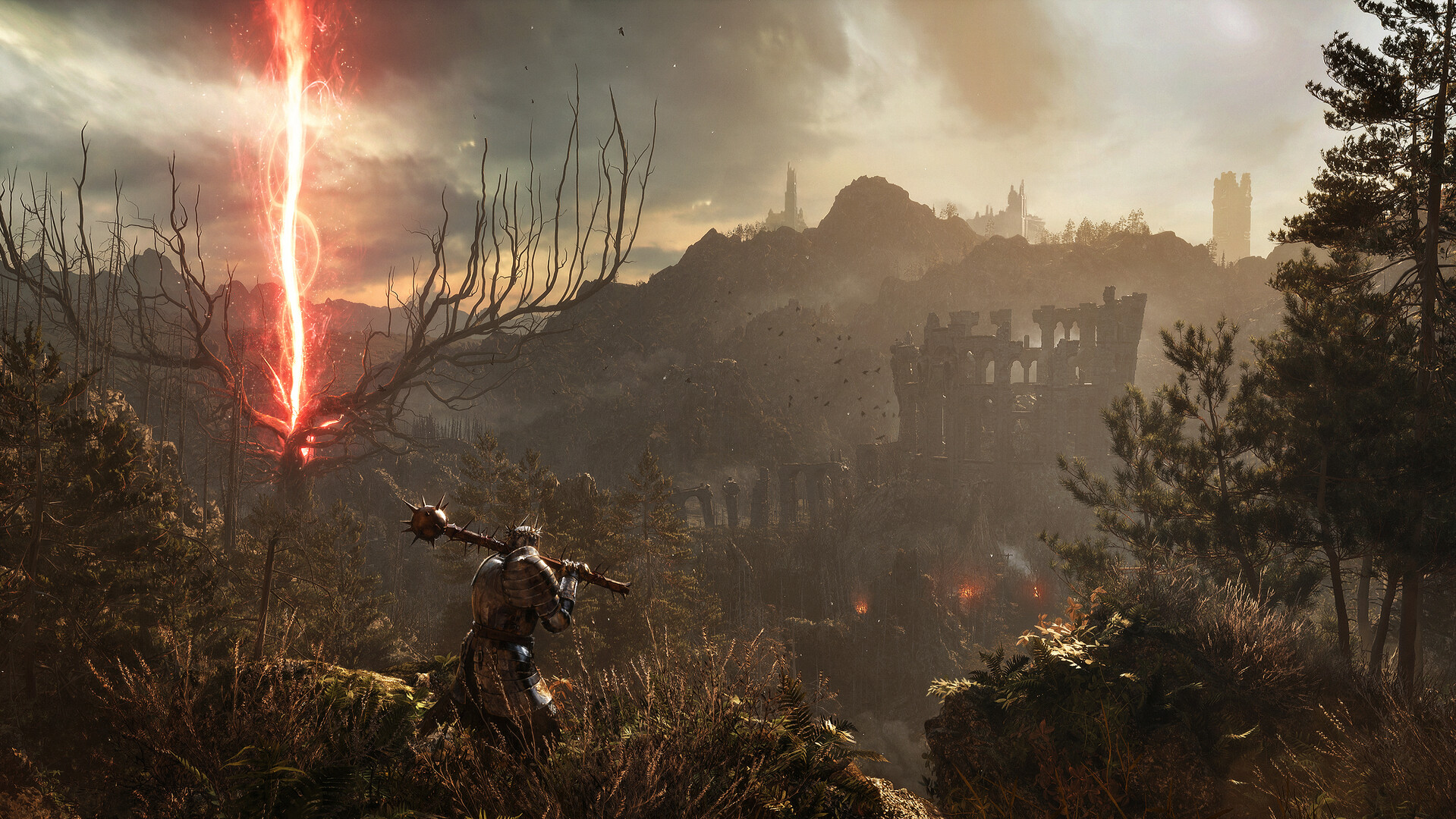
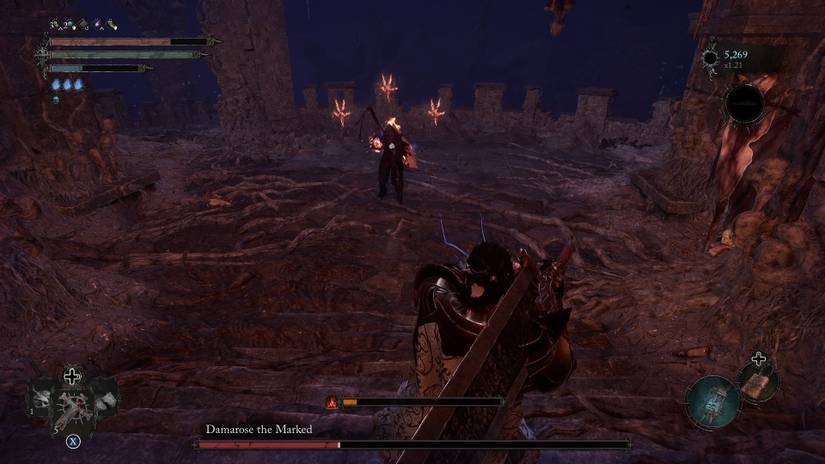
Lords of the Fallen is, honestly, obtuse. It’s not shy about having secret interactions via emotes, specific map progression orders and NPC dialogues. Everything from opening the wrong door at the wrong time to forgetting to go back to base and talk to an NPC before a boss can lock you out of quests and items. In a game built for replayability, and with so many other options for whatever the reward might have been, it’s not mechanically the end of the world to be locked out of a path.
You’ll find plenty of weapons and spells for all disciplines regardless, and this design philosophy makes all the stories and quests and secrets you do discover feel all the more earnt.
It’s not for everyone, and many players hanker for specific briefings on the exact results of every little choice they make in a game. It really depends on the genre and what the game is trying to achieve, for me. In Slay the Spire I want to see the percentage outcomes for my choices because it’s a deckbuilding roguelike where it’s you vs the numbers. In an RPG, though? I can jive with something more vague, or not even signposted at all, if it delivers an interesting world and story overall.
Banishers: Ghosts of New Eden isn’t confident enough to take off the stabilisers
Banishers takes almost the exact opposite approach to Lords of the Fallen. In Banishers you can choose how to resolve the ghost hunts you come across, and this affects which ending you can get. If you consume human lives and souls you can charge the big revival spell, hoping to bring your beloved back from death. If you ascend or banish the ghosts instead, you won’t have consumed all the ghost juice needed and your beloved will have to depart from the world forever (either through ascending herself, or through you forceably banishing her).
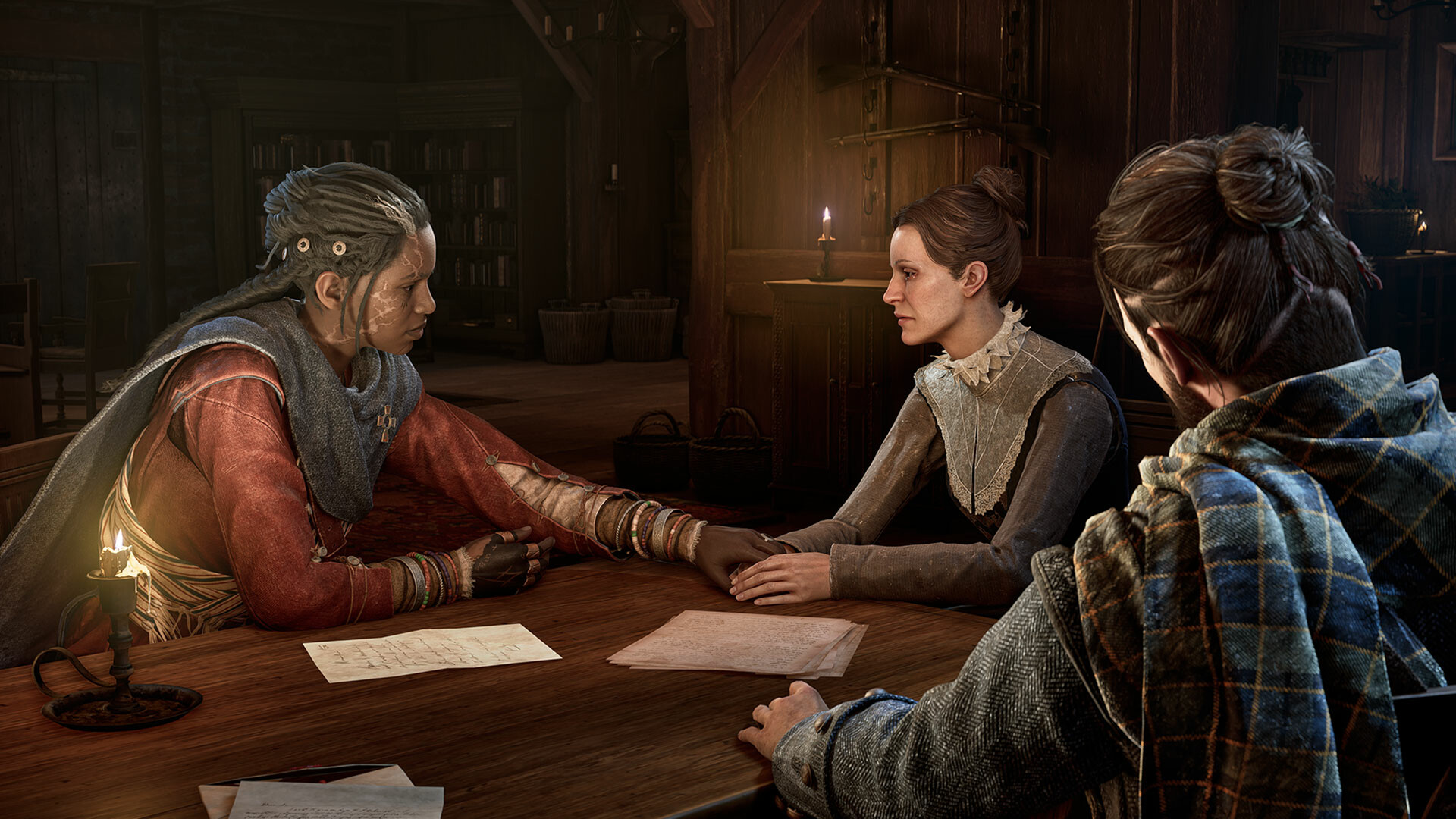
This sounds like it could paint an interesting dynamic, like the choices and dialogues during your investigations could have lasting effects on how Red and Antea see each other, and if she even wants to come back to life…
But then you get to how this is all communicated and the magic is just…gone. In a game about mystery and ghosts, it leaves absolutely nothing to be left unsaid. Choices have big yellow disclaimer text about which ending it’ll progress, and you even make an oath to choose an ending right near the start of the game (you can break this oath, but it sets the precedent for the playthrough).
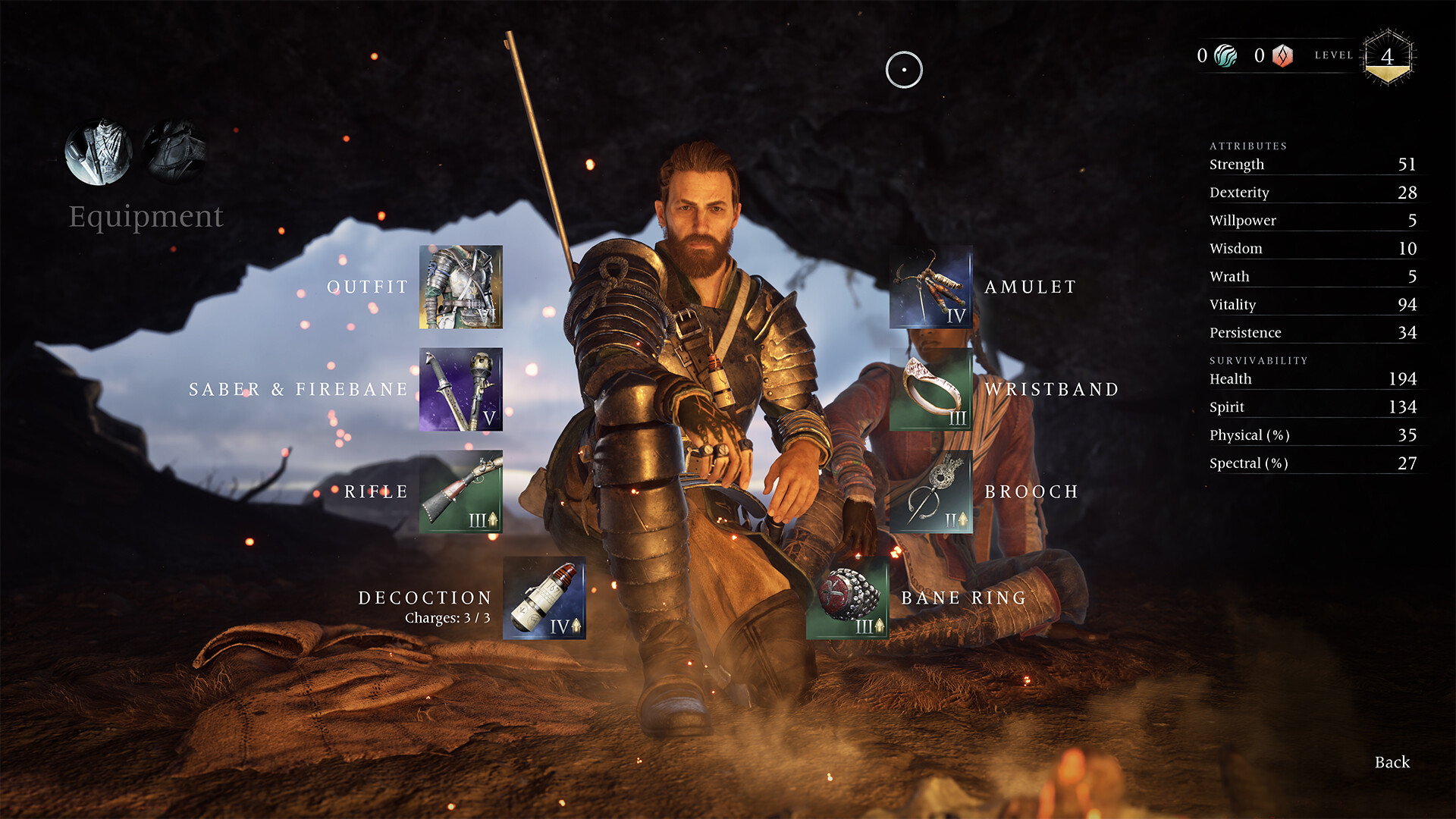
By so forcibly shoving this fourth-wall-breaking text and tutorial down your throat the game removes any inkling that Red is making this choice, that the couple are truly considering human sacrifice to bring her back. Any immersion and nuance and “Oh, I wonder if I made the right choice” is obscured by reminder text and menus and gauges.
Explicit choices vs implicit consequences
Clearly showcasing the results of a decision before it’s made is certainly a way to communicate that the player has choices, and those choices have real consequences. But is smacking someone on the head with player agency really the best way of doing that?
Because, equally, having an NPC turn hostile or a door remain unopened or an item be unused will also show the player the consequences of their action (or inaction) just through implication rather than explicit statement.
Player agency isn’t about always having the exact result you wanted, it’s about always feeling like you made the choice. If a game is telling me, in no uncertain terms, that I need to make one of the choices for a specific outcome, then I no longer really have a choice…right?
I think it’s a safe assumption every player will be wanting some sort of specific outcome, and as soon as a player has that desire then telling them which choice leads to it basically makes the choice mute. It makes it a “no-brainer”.
I don’t want my actions in a choice-based RPG to be “no-brainer”. That’s the exact opposite of what I want.
In-game information vs player-information
This is also a complete cognitive and emotional detachment from any story and character engagement.
In a game that presents choice via implicit consequences, I might actually weigh up a decision “Oh, she might be mad at me and not let me buy that staff I wanted after this” or whatever the in-game reason might be.
In a game that tells me “Choose this one for good ending” I am picking the option because of that meta information. I’m not even caring if it kills characters, loses me resources, whatever. The in-game decision becomes meaningless because the game has told me which one I need to pick, so any responsibility for the in-game consequences is just sort of gone.
This is why leaving choices ambiguous is so much better to me from an immersion standpoint. I’m much more likely to make decisions based on things in the game world, based on characters I like or emotions I’ve felt, if the game is more hands-off.
Different people value agency for different reasons
Ultimately which of these types of choice-based gameplay you prefer is probably more down to what it is about player agency you actually value.
I value the choice-making — the weighing up, the decision process, the empathy with in-game characters and lore. Even if I don’t get the result I wanted, the ability to make my own choice is what gives me player agency.
Some people will think that’s madness. They’ll say that to have player agency, the player needs to be able to choose the result that they want. If they choose an option and it doesn’t end how they wanted, they feel they had no player agency because what they wanted to happen, didn’t happen. There’s logic to that, it’s hard to say that’s straight-up wrong, so I won’t.
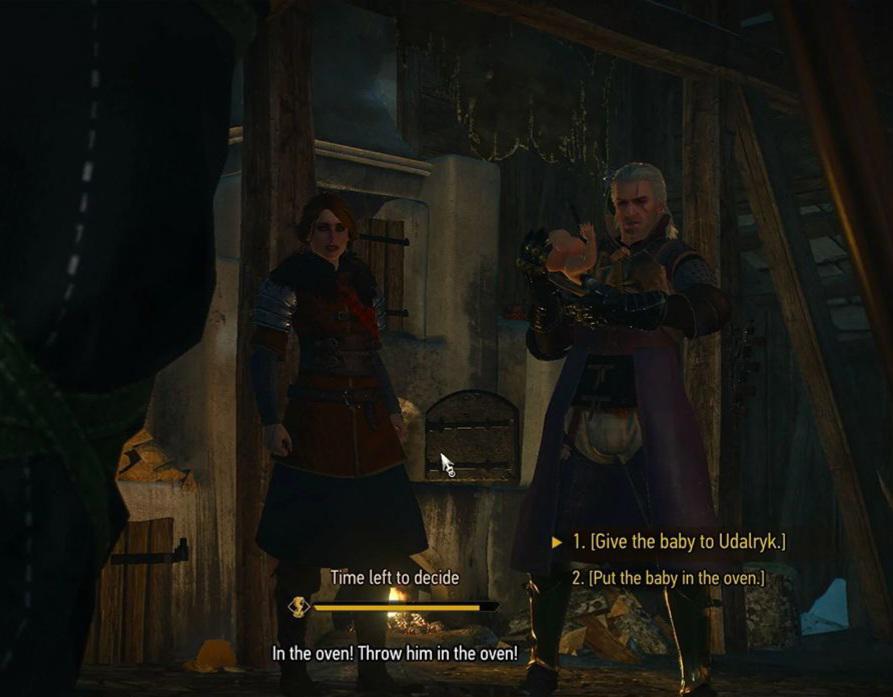
What I will say is that I value the choice while others might value the result and that’s where games struggle. Because if a game makes the choice very clear as to the result, then they devalue the choice process. But, if they make the result so far detached from the choice that a player doesn’t know what they’re choosing, then they devalue the result.
Banishers didn’t do anything wrong, it’s just not for me
Overall, like many game mechanics, it’s all a balancing act of player engagement and communication. I loved Lords of the Fallen despite locking myself out of the ending I originally wanted, but knowing that I did that just means my choices mattered (even the ones I didn’t know I was making). Going from that game right into something so direct was a complete 180 in terms of game design, and it meant I was just left unengaged.
The upshot is that I didn’t like Banishers because of how it handled player communication, but I wouldn’t call Banishers a bad game just because of that. After identifying that the reason it failed to communicate with me is so tied up in how each player views agency, it seems like an unfairly subjective thing to judge the entire game on.
The combat is kinda shit, though.





Leave a Reply