Well, that article name is 50% game titles. What the hell do I mean by that?
First of all, the games vying for your attention this article:
Wobbly Life
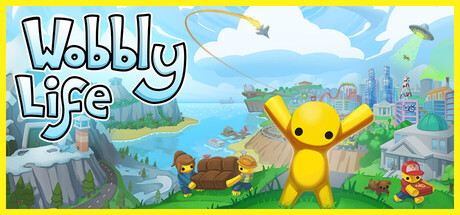
A game similar to Goat Simulator in that you get given a slightly cumbersome and chaotic character, an open world, and no real inkling of a main goal. You’re able to do odd jobs around town, or indeed out of it, cause chaos, buy an ice-cream, buy a house, go treasure hunting, fish…it’s a world that exists to be deep enough for completionists but accessible enough for…well, anyone.
Importantly for this article: It is split-screen co-op, which means my fiance and I can sit together and have a Wobbly Life for the evening on the sofa.
It Takes Two
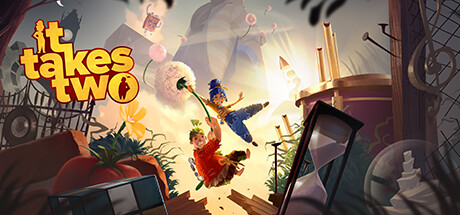
A breakout hit for ya boi Josef Fares. While he’d showed he had the chops for it with A Way Out, it was It Takes Two (ironically) that made him a household name. The game is a two-player exclusive co-op adventure in which your characters are ex-spouses-to-be who are suddenly turned into dolls. You explore the now unfamiliar world of their house, garden and daughter’s toybox all while being lectured by the Book of Love on how to fix your relationship. He’s deliberately brash, sometimes wrong, but full of soul and character.
Split Fiction
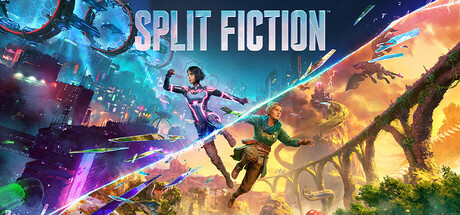
Split Fiction is the spiritual successor to It Takes Two. It is another two-player co-op adventure, only this time you play two writers (apparently) who are trapped inside a machine that brings books to life. The goal is to escape, and there’s no guiding force like the Book of Love or really any relationship to speak of between our two protagonists. But, I digress. This isn’t an article about why It Takes Two is superior to Split Fiction, it’s an article about how Wobbly Life confirmed that.
One night of Wobbly Life fixed my week
Wobbly Life begins with delivering a jelly to Jelly Man. You get paid, manually hop your way to the nearest ATM clutching your bag of dollars from the job, and watch your bank balance tick up as you smash the bag into the ATM. The world is tangible and bouncy and simple all at once, but you’re in it together and this gives you unparalleled freedom to explore, grow and…live your best Wobbly Life.
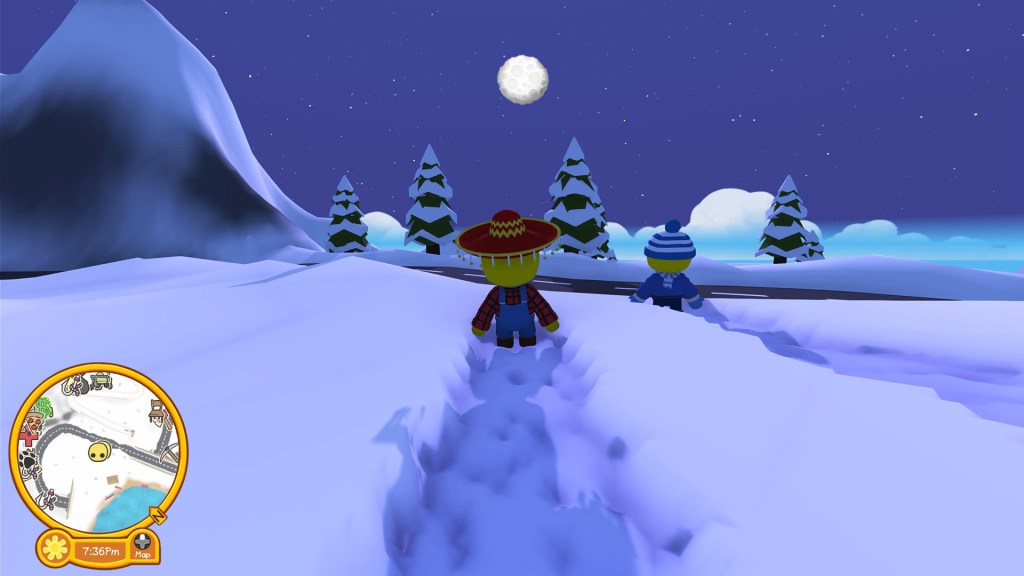
While we started by trying our hand at different jobs, by the end of what became a 3-hour session our Wobblies (for ‘tis what they are called) were holding hands on the docks at the carnival with the sun rising, as they’d spent all night riding rides, swimming in the pool, and buying an Ice Cream who affectionately became known as “Mr. Ice Cream” for the evening. We left him on the ferris wheel with his friend Bag of Crispy Crisps so they could have a good time after we left.
Did we get anything for that? Did we make progress? Well, we found a few collectibles I admit, but there was a good half an hour there where all we were doing was essentially mucking about.
That’s what brings us back to the It Takes Two vs Split Fiction debate.
Split Fiction might be better by every metric, but the best things can’t be measured
While It Takes Two is a structured campaign with specific goals, there are many areas that behave just like the entirety of Wobbly Life does. You have goals and objects to find but being lost along the way, taking time to mess about with a physics object or observe a detail in the level design are all treated as equally “valid” uses of your time. The game gives you basic movement and interaction tools and says “have fun”. It doesn’t prescribe what “fun” is.
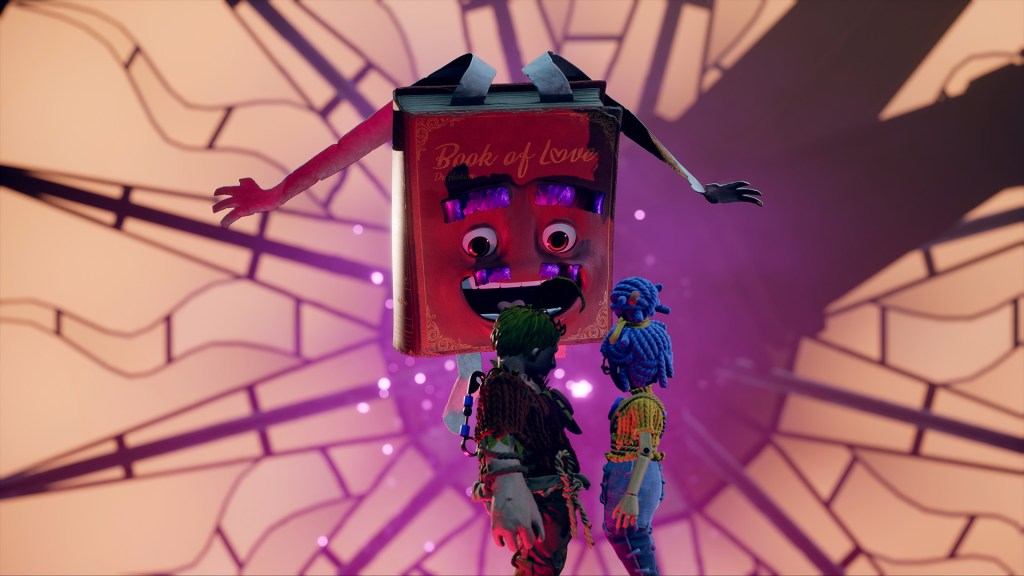
The best examples of this are the wood-block castle section of the toy room level, and the winter wonderland. It Takes Two opens up in these segments and has some minigames to do, but also some “unmarked” interactions as well. These aren’t pointed out in the HUD or required to continue, but provide players something to notice, something to talk about. These are co-op exclusive games, remember, so having a disjointed unmarked puzzle or interaction can help show players that communicating what they see and what they do in these areas will help uncover something cool. It incentivises chatting, exploring and engaging with the world and each other.
Prescription vs freedom in videogames
Split Fiction forgoes these “open” sorts of segments, by-and-large, for more scripted and prescribed “side stories”. These allow a greater degree of gameplay variety, they let players experience completely whacky or tonally-diverse segments with unique gameplay…but because of that they are inherently more prescriptive. “This is what you do in this side story, enjoy” is the vibe, whereas the open-plan areas in It Takes Two were a more natural and free-form way of providing that same “optional content” requirement for players who want more than just the main story.
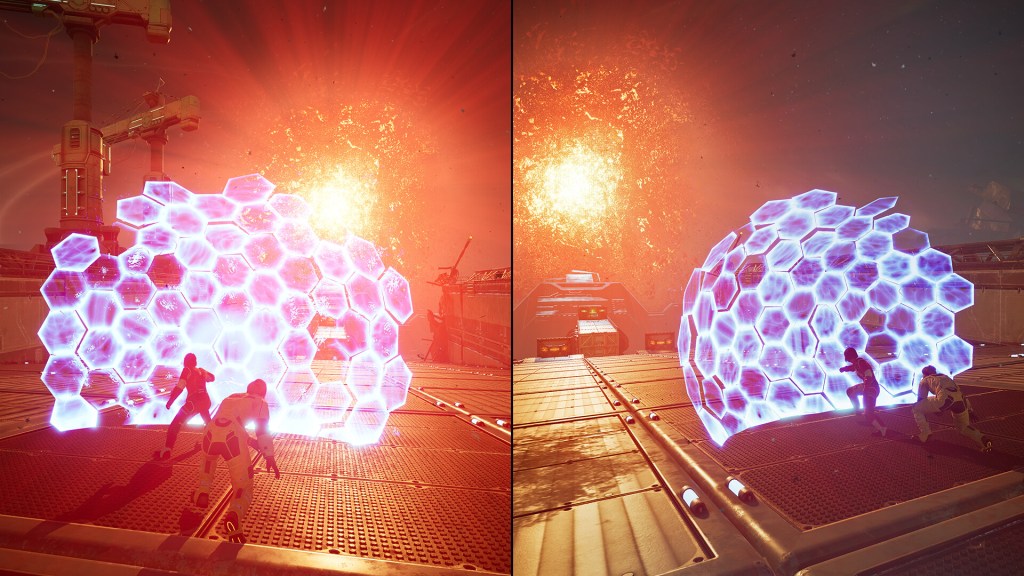
Not only is the vibe completely different, but it fundamentally changes how the co-op experience feels. In Wobbly Life we bought a mechanically pointless prop Ice Cream and named him before leaving him to enjoy his life aboard the ferris wheel. I can promise you no one else has ever had that experience in that game. In Split Fiction we did the same levels as everyone else. Maybe the other character “won”, maybe we took more or less time, maybe we marvelled at different visuals or styles, but we had an identical core experience.
In some ways that’s great, if your game has a very specific message and intent, but in a co-op exclusive adventure I’d argue that the personalities and interactions of the two players should be the priority. It’s hard to look at the writing of Split Fiction and think “yes, this needed a bespoke series of side-quests to explain and contextualise”. It’s miles below that of It Takes Two…and those main characters were absolutely moronic.
Sandboxes can feel empty, but railroads can feel Claustrophobic
I’m not going to claim that all co-op games need to be open-world guide-less sandboxes. Some of the best parts of It Takes Two are when you are very clearly playing assymetric, pre-made characters. But, I feel it’s worth noting how much more engaged and interesting a player-focused co-op experience is when it…well when it focuses on the players. Games that let us inhabit these characters, explore these worlds and make up our own fun (in between the game doing it’s job and also having a good amount of pre-made content).
In the same way that Wobbly Life has room for pre-made missions and irreverent mucking about, It Takes Two excels in both dedicated story segments and open-plan exploratory ones. Split Fiction does neither as well, to it’s detriment.





Leave a Reply