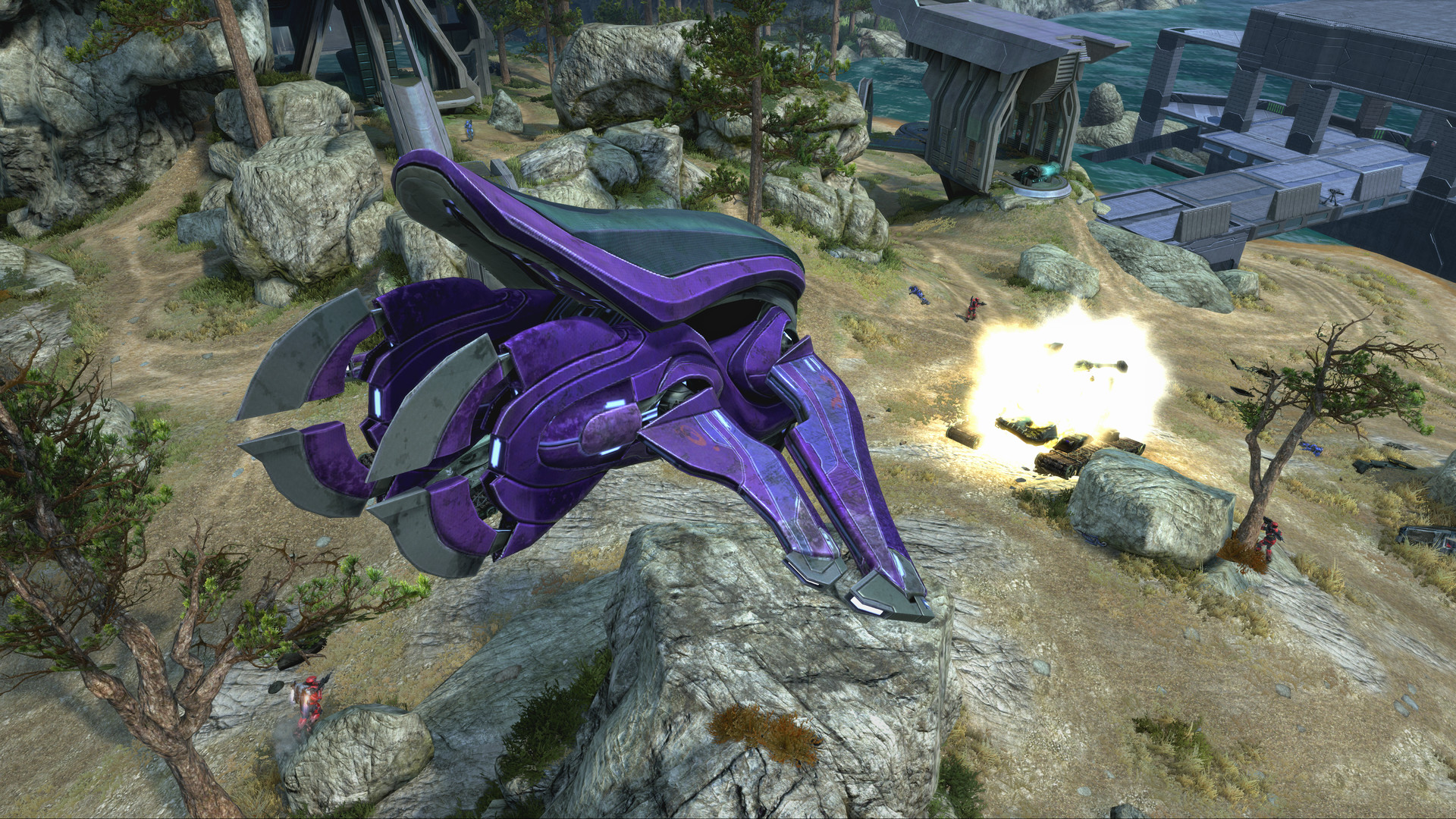
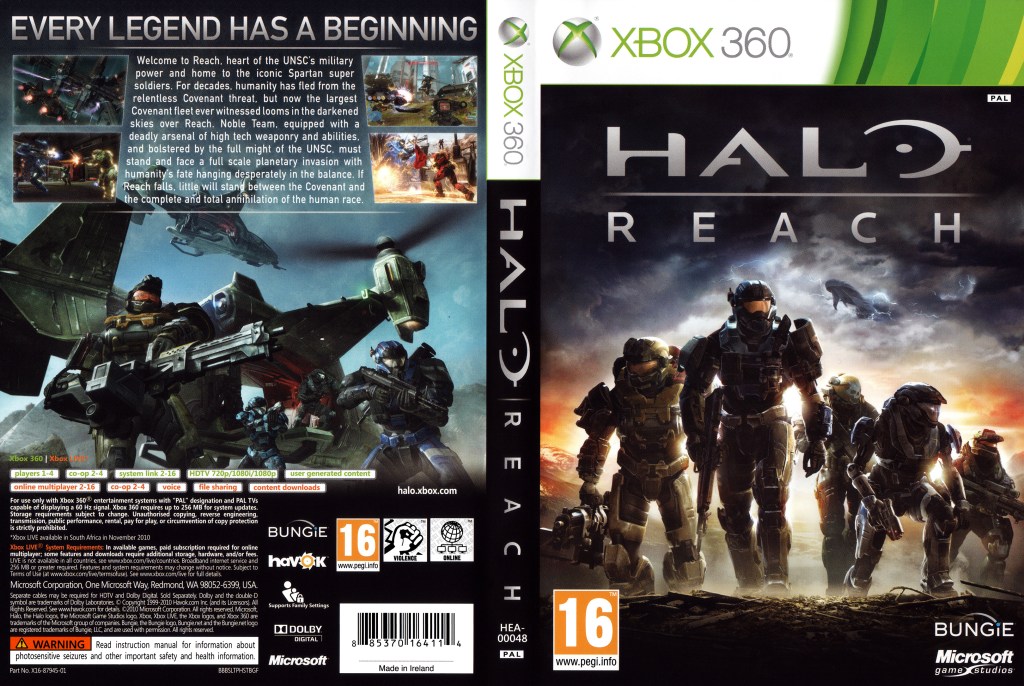
Replaying the Master Chief Collection (in honour of Halo: Campaign Evolved capturing precisely none of my interest) my partner and I settled on playing through chronologically, with Reach first. As much as it was hounded on at the time for the “CoDiffication” trend that we’d see come to fruition further in Halo 4, the campaign and pacing of Reach is nonetheless a prime example of what Halo could be: A sci-fi epic with universe-spanning consequences…but one that revolves around the single skirmishes and schemes of individual characters with real intents.
Prequels that reignite the legacy of a franchise
In the spirit of Rogue One, Halo Reach is a prequel that reignites the genre, showcasing that it’s not the Chief that makes Halo, or even the rings themselves — it’s the game. This could be why the Halo TV series didn’t hit the right vibe, and why modern Halo entries like Infinite feel incomplete and incoherent; for all of their narrative crossover and included characters, they simply don’t have enough of the core of the game of Halo.
Rogue One shows us that Star Wars doesn’t belong to Luke Skywalker, and Halo Reach shows us Halo can succeed without belonging to the Chief.
You know how this ends, and so do the writers
The art of a good prequel is playing into what the audience already knows.
Subverting expectation over how the stage was set
In some cases, you can subvert expectations by having an established fact and twisting how it happened, or why the original film / game characters thought that was the case.
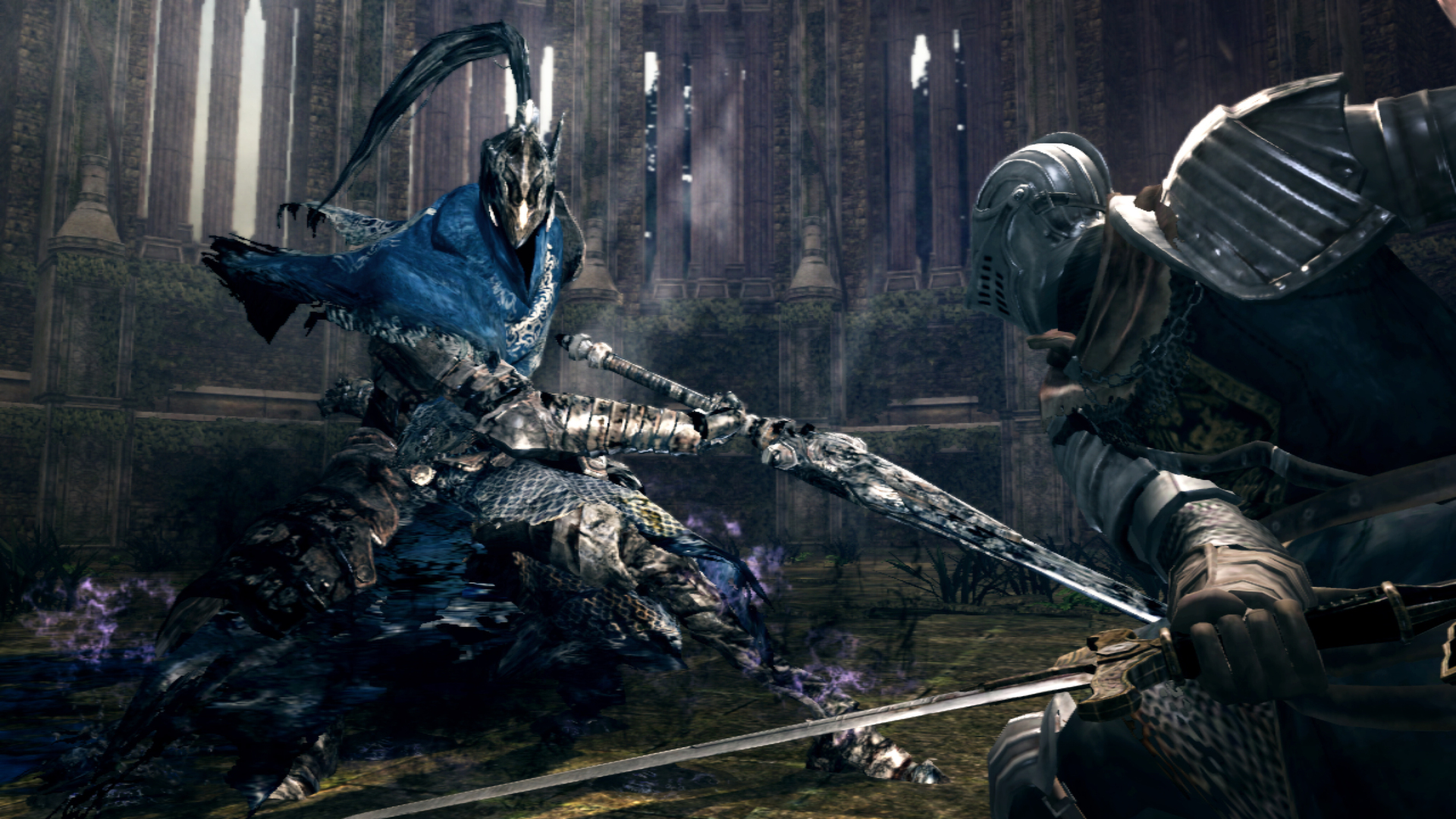
Take Dark Souls 1. In the lore items attached to the base game, Artorias fought the abyss and defeated Manus at the cost of his life. When you access the DLC, you actually discover Artorias was corrupted before he was able to defeat Manus. You kill Manus yourself, knowing that the future will interpret events as Artorias defeating him. All the information presented in Dark Souls 1 remains true to what those people would have known, but the prequel shows that this is just how people remember the events rather than how they actually happened.
The foregone conclusion that you don’t want to accept
Some prequels aren’t so conniving, and instead of subverting the process of getting to what the audience already knows, they use that knowledge as a Sword of Damocles.
You know that everyone can’t make it out of Rogue One alive, and you know what the Death Star does. Rogue One takes that tension, that inevitable climax, and allows itself to distract you from it. The writers know they only have an hour and a half to use these characters, and so does the audience. Yet, despite the certainty of their finitude, we care.
We care about Chirrut and Baze butting heads, we care about Cassian’s investment in the rebel cause and we care about Jyn’s optimism — her idealism. We know these are ingredients in a disaster soup, but that doesn’t stop us appreciating the taste.
Halo Reach performs a similar song and dance, although with far less of those distracting moments. Reach has no qualms about making sure you face the inevitability of this loss in almost every mission.
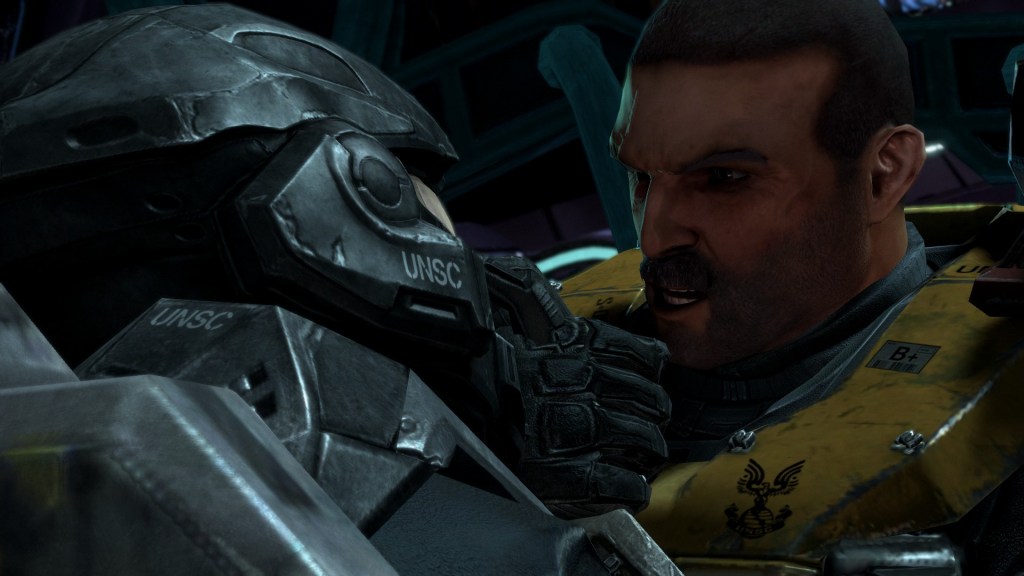
There are character moments that shine and that define the individuals of Noble squad, but it’s the game equivalent of Blackadder standing in the trenches as the whistle goes.
Reach isn’t afraid to give you silence (well, lack of dialogue filled in by the incredible music of the series) in a way that the series traditionally hadn’t before. The closest to this vibe is Halo 3: ODST, a spin-off that dialed the sad-sax blues up to 11…
The incremental reveal and flashbacks
ODST is yet another approach to prequel-style storytelling – this one relies on flashbacks and incremental storytelling. Between every mission you see the city of New Mombasa after all the events of the game (except the last few missions). This means that the game alternates between seeing prequel missions and “current time” sections. Instead of the entire game being one or the other and relying on outside information, the game makes itself a prequel to other parts of itself.
This self-contained flashback-style design means anyone can experience the “oh, I see” moments of a prequel revealing how something happened without needing to have seen a whole other film or played a whole other game. Combine this with the incredible score and ODST is yet another Halo game that showcases how different a title can be while still being a through-and-through Halo experience.
The little things – rewards for loyal fans
Prequels have another trick up their sleeve as well, and it ties into the broader idea of using your audience’s knowledge. Unlike a sequel that’s expanding a universe, a prequel can make reference to what’s already known and drop hints that reframe the original.
To go back to Rogue One, there’s a further little detail that many watchers of Andor made their head canon as soon as it happened: Saw Gerrera wasn’t taking in Oxygen through that mask in Rogue One…this little detail, this idea, was only possible because of Andor being a prequel to Rogue One, and while of very little narrative importance it’s still enough to reframe how someone watches that scene and provoke a “Leonardo Dicaprio pointing at the screen” moment.
In Borderlands: The Pre-Sequel (it’s both a sequel to Borderlands 1 and prequel to Borderlands 2) you send a Thresher sample back to Pandora, and that single side quest is how Threshers end up as an enemy type in Borderlands 2 despite not appearing on Pandora in Borderlands 1: They’re native to Elpis where the Pre-Sequel takes place.

Are prequels still just lazy fan-service?
Prequel stories are a chance for a franchise to keep a series identity alive and expand upon a given storyline without the expectation of some brand new direction or “progress”. This might make it seem like a bit of a cop-out, but writing a good prequel is just taxing in different ways. To carry on a legendary franchise like Star Wars or Halo is a lot of responsibility, and can end in Halo Infinite or Rise of Skywalker.
Making a prequel moves that focus from “what happens next?” to “how do we show this happened?”. It shifts the creative job from top-level storytelling to boots-on-the-ground details and characterisations. If you know that your audience already knows how this story ends, you can stop worrying about how the story ends. All that energy goes into making it a damn good story while it lasts, and that in turn can make prequels inherently more experimental, personal and interesting.





Leave a Reply