There’s a phrase about how less is more; and I reckon sometimes more is less.
You don’t want so much pepperoni on a pizza that it becomes an oil bath, you don’t want more loot in an ARPG than you can reasonably glance through in at most 60 seconds, and adding more corrective lines to that mis-written letter isn’t helping anyone.
From playing at least 10 different roguelites just in the past year, the trend that seperates the weaker entries in the genre from the true stars isn’t the level of polish, or voice-acted dialogue, or incredible soundtracks. The thing that makes the great roguelites great is their refusal to say “enough is enough”.
In roguelites, more is more.
The line between overhelming and invigorating
In any game you don’t want players to feel too overwhelmed. Being awestruck by the amount of stuff in a game is great, but if there’s so much they forget basic mechanics there’s a problem. So, I do sympathise with roguelites that pace their meta-progression, locking certain more in-depth upgrades and systems until many hours into the game.
Despite the logic of that on paper, in my time with the genre I’ve uncovered the opposite is true for roguelites specifically. The more content a roguelite can throw at someone in the first hour, the better.
Take newly released dungeon crawler Vampire Crawlers (Of vampire survivors fame, and no I won’t be using the game’s full tite “Vampire Crawlers: The Turbo Wildcard from Vampire Survivors”) which begins with a relatively simple tutorial and limited pool of meta-progression unlocks.
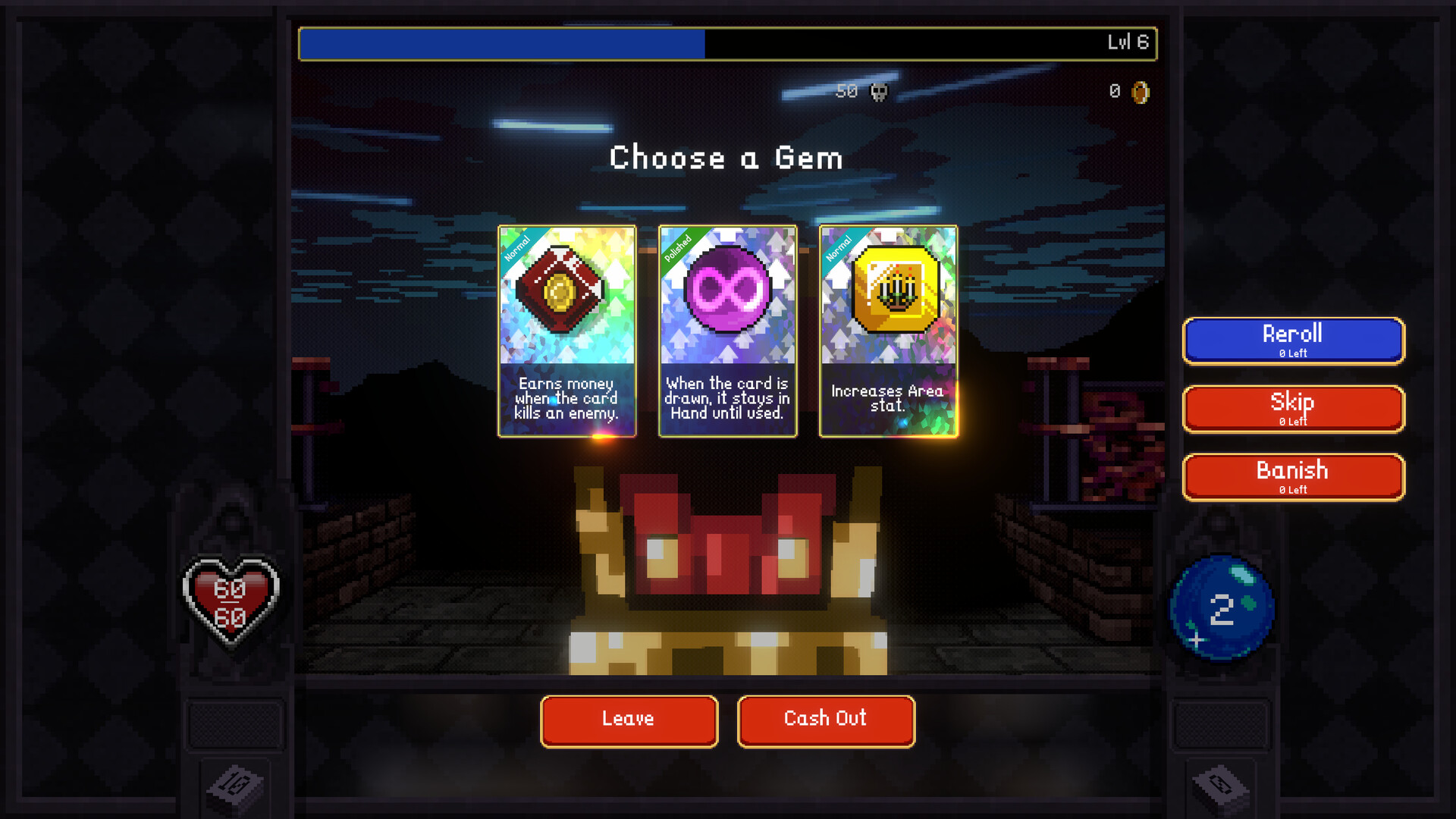
Within completing the first 3-4 zones, however, you’ve already expanded your list of playable characters to 5 (with more being added all the time), unlocked a new Arcana system for passives, unlocked a blacksmith to permanently increase any card’s versatility, and all while uncovering a map of diverse biomes, difficulty levels and powerups.
It’d be easy to not know what to do next — and that’s exactly what this genre needs. On some level, roguelites need to be overwhelming at first to facilitate the run-to-run learning and progress these games are built on.
Why roguelites need to bombard the player, not pepper them
While a cinematic open world RPG needs to drip-feed worldbuilding, enemy variety and the like through a pre-set length of campaign — a roguelite just needs to get you hooked.
It doesn’t matter if it’s the OST, the gameplay, the weapon unlocks, map variety, upgrade systems, characters…the game just throws ALL of it at you and lets you, as a player, decide what to care about. You can play as sequentially or as chaotically as you like, prioritising new character unlocks or passive stat buffs in whichever combination pleases you.
A roguelite that has “balanced” progression and slower unlock rates doesn’t have the same level of player agency as a game like Vampire Crawlers, which throws everything it has at you as soon as it can, letting you pick through the mountain of content at your own pace.
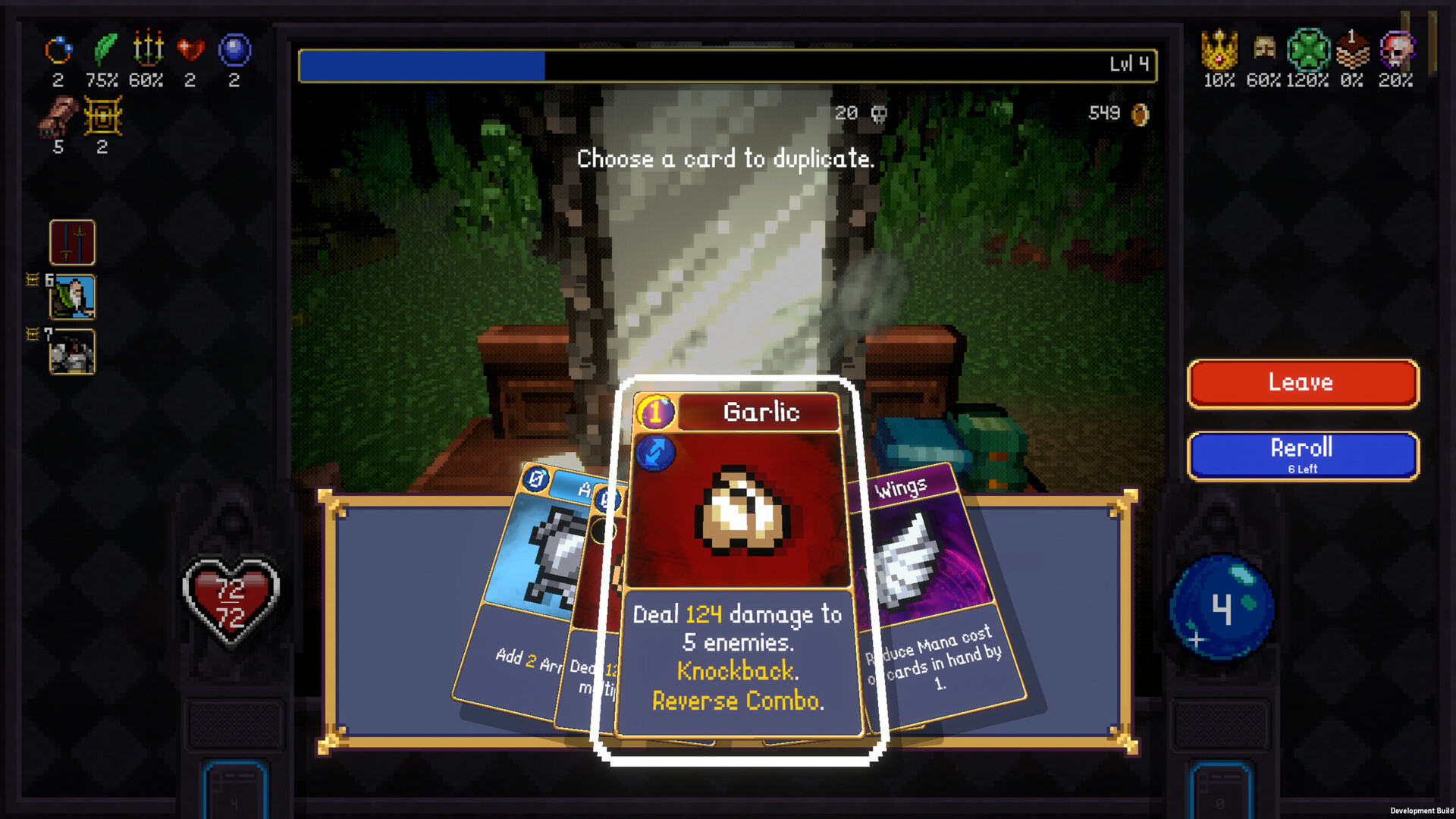
There’s an inherent engagment and excitement about drowning in new characters, cards, gems, systems and maps. It’s the roguelite equivalent of “See that mountain? You can climb it” in an open world game. Open worlds need that “leaving the sewers” moment, where the game shows you what it’s got. For a roguelite, that’s the meta-progression and sheer variety of customisation.
That’s where games like Hades 2, Vampire Crawlers and Monster Train 2 all excel. They aren’t afraid of giving you too much, they are proud of the amount of content they have and confident that the player will have the agency to decide which bits to engage with.
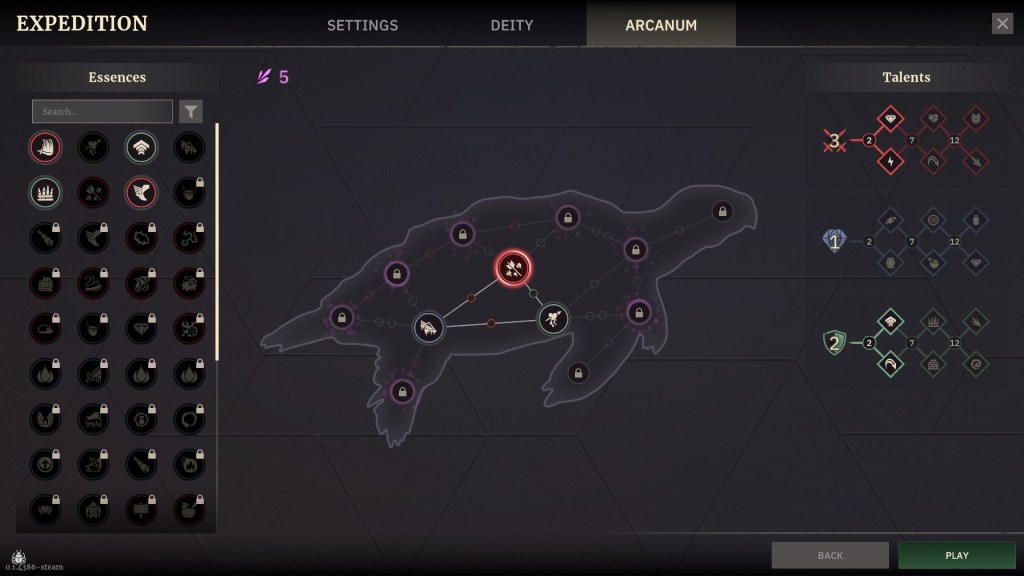
Conversely, games like Deep Rock Survivors, Here Comes the Swarm and Inkbound are much more sequential by design. There’s unlocks and progression but it’s a slow burn through linear difficulty rises, rather than a ball pit to cannonball into.
Pace should be a player choice
In a genre so built around repeating content, forging your own progression and learning run after run, roguelites should focus on player choice. Some games need to manufacture pace specifically — not allowing players to break the game too early or to fall behind in ability as the story progresses. Roguelites, though, can get away with steering into the skid.
If the amount of meta-progression available in Vampire Crawlers would be overwhelming for some, those players can choose to ignore many elements of it until they are ready. Vampire Crawler’s willingness to provide countless unlocks at a fast pace gives me hope that trust in players, not just their ability but their agency, isn’t gone from the minds of all devs out there.




Leave a Reply