After watching the recent Nintendo Partner Showcase (Which was an absolute let-down that treated it’s audience like they didn’t know which way up you hold a Joy-Con) I noticed that they would explicitly confirm the existence of an “Easy” or “Story” difficulty.
Target audience demographics are a thing so it does make sense Nintendo would push these settings as “features” rather than just preferences, but it still got me thinking…
My point today, among many that adorn my procupine-like body, is that for every person who wants a Story Mode there’s someone who actively thrives on constantly toeing the line between engaged and overwhelmed.
This is a self indulgent piece about how I play games and why I like it that way, and my defence of people like me against the “Games are suppossssssed to be fun” crowd who abhor the sorts of challenges I relish.
Do a job you love and you’ll never work a day
The main assertion I’ll be addressing is the motto of the casual gamer: “Games are supposed to be fun”. Used to disuage more intense players from talking about technical gameplay, discourage higher-level play online, bash devs for not including an “easy mode” and more.
There’s a snide element of toxic positivity to the chants of “Games are supposed to be fun” that I want to actively oppose. I oppose this claim on two fronts:
Games are supposed to be fun
- Yes, they are. This response accepts the opposition but reframes my experience. When people complain that a game is too complicated, or too hard, or too anything, they forget to add the “for me” on the end. This means that when they see other people enjoying that game they are less likely to think “Oh, that person must enjoy those things that I don’t!” and instead think “That person must be a joyless, masochistic hipster with no life“.
They lack the ability to imagine a state of mind in which stress and tension and physical demand is also fun (or in which the game simply doesn’t elicit those challenges to someone else). They reply to a game being stressful for themselves that it is “supposed to be fun”, forgetting that the game probably is fun…just not for them. - No, they’re not. This response doesn’t mean to say that games are supposed to be “unfun”, but that games are not “supposed” to be fun…or anything at all. Games are an art, albeit one with the strings of functionality attached.
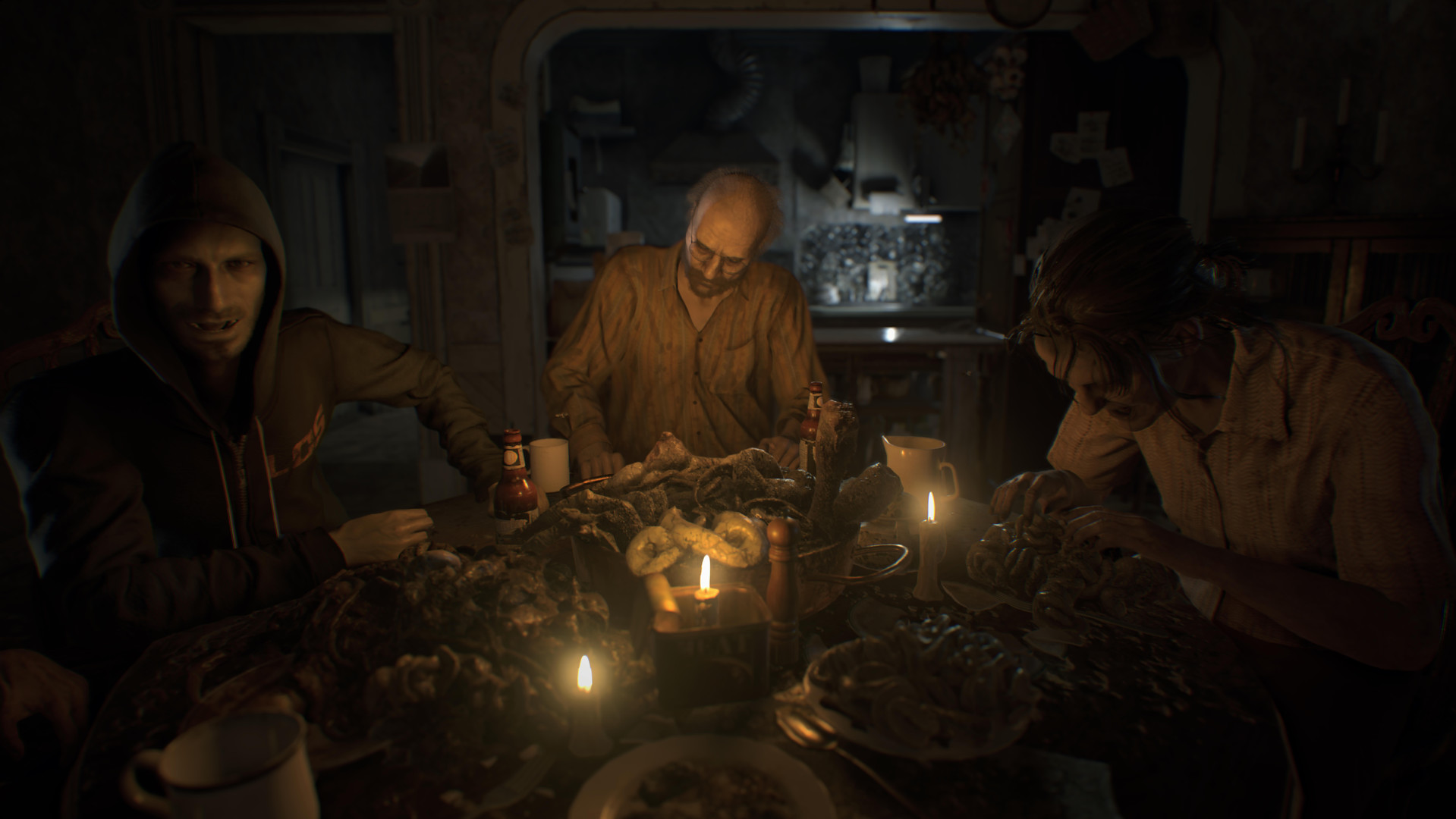
Horror games can seek to make you genuinely uncomfortable, RPG’s can set out to break your heart and strategy games can relish in ruining your best-laid plans. If the designer wanted to illicit emotions and mindsets other than “Hehe I am playing le game and getting le highscore” then they’re allowed to.
The idea that my experience, and certain developer’s creations, are invalid because some random bod decided games are “supposed” to be fun in the way they find fun is just offensive on so many levels.
Either games are supposed to be fun, and then you have to accept that what you find fun is different from what anyone else might, so the statement means very little.
Or games aren’t supposed to be fun, and then you have to accept that the designer and artists behind the games are allowed to create experiences that won’t be fun for you.
In either case, the leap in logic to bashing a game for not having an easy mode or bashing a player for playing more intensely is…well, a leap.
Escapism and immersion as core tenets
So what are games “supposed” to be?
If we try and find the fundamental experience of all of gaming, rather than individual titles, then we have to talk in very vague terms. This is part of why these issues come up. When reducing features and feelings down and down to the core of what a game “should” or “is supposed” to be, I arrived at escapism and immersion.
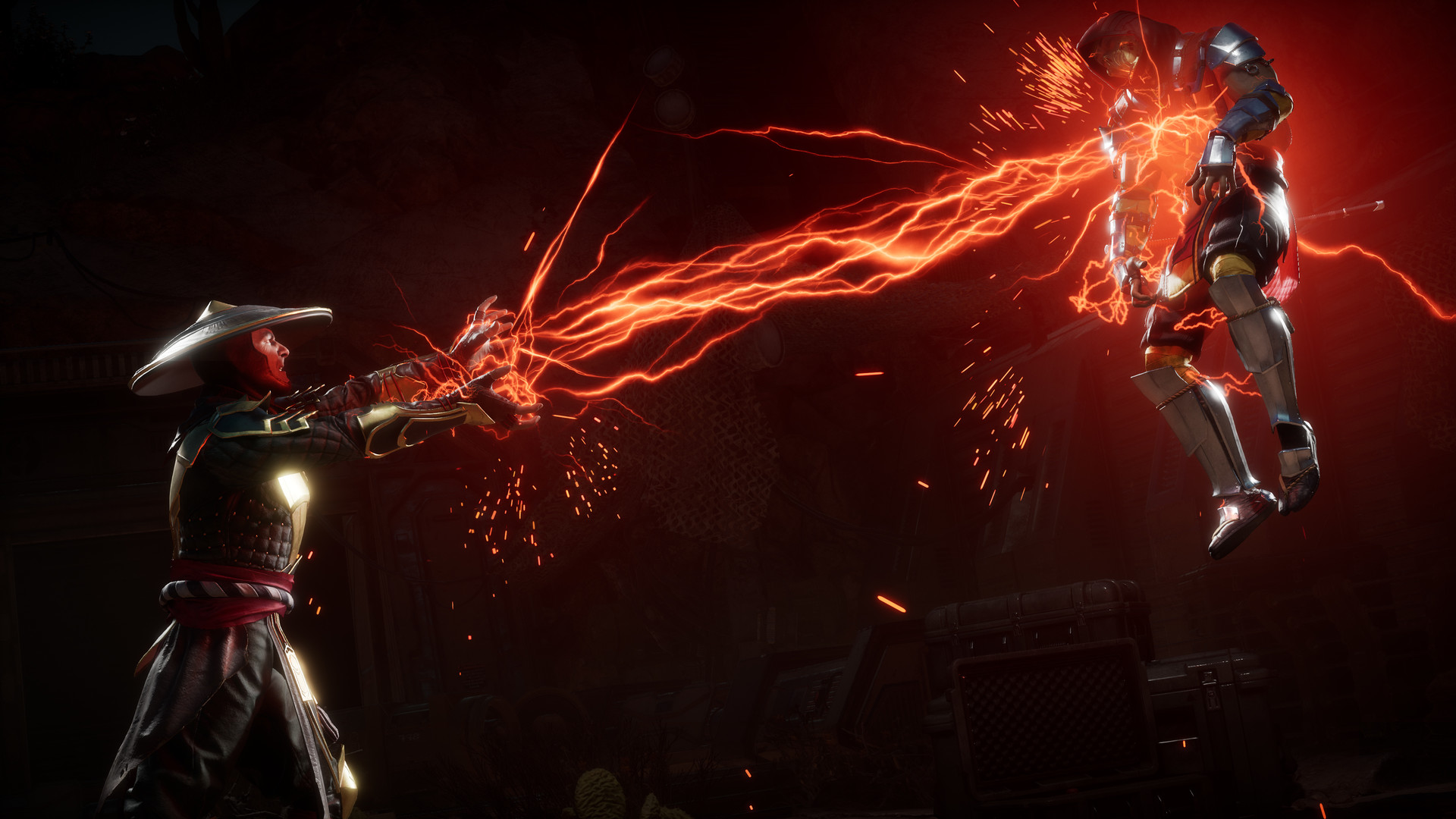
From Mario Party to Mortal Kombat to Inscryption to Minecraft – across every genre and every input method the only core, unavoidable fundamental is that the player spends time in the game.
That statement is so vague it may as well not have been said, and that’s exactly the problem with an overly “positive” approach to games – not all games are “supposed” to be positive. All games are “supposed” to be is audio-visual interactive media.
Any statement about what a game is “supposed” to be is just immedietly disregarding too many factors to ever be taken seriously. Now, if that statement came from the lead gameplay designer and they said “This game I designed is supposed to make the player feel powerful”, and the game doesn’t do that, then clearly that’s a more meaningful critique. But from Player #6739 I think the only conclusion you can draw from them telling you what a game is “supposed” to be is that this person makes sweeping generalisations.
How I make games more intense via player choice
In cases like Dark Souls, where the wider community has decided already that only masochists and sweats can ever truly enjoy them, the response is as clear-cut as above.
However, there are times when player choice can actually change the experience of a game to suit someone more intense, or someone more casual.
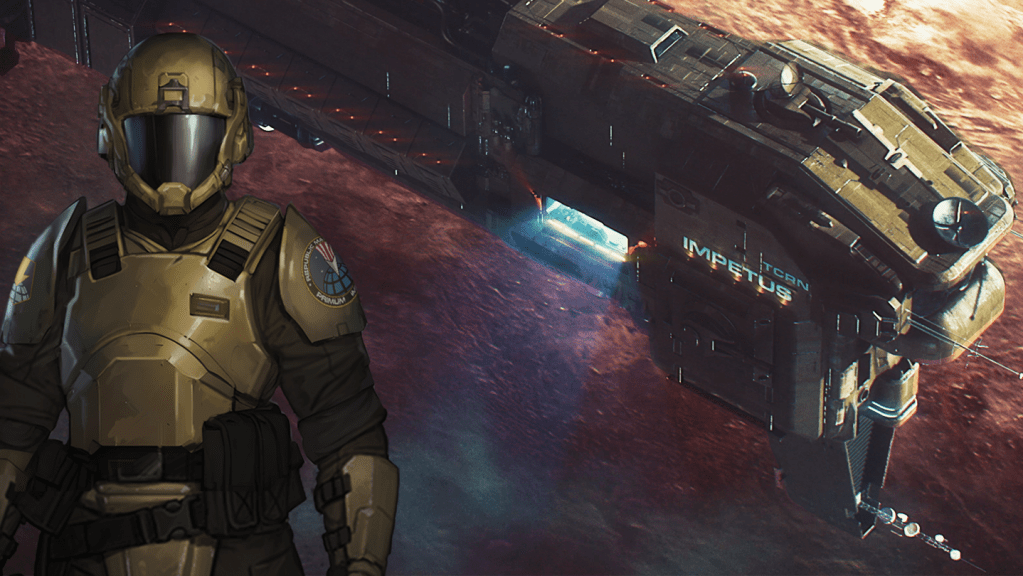
In Warhammer 40,000 Darktide you can run around using the bare minimum of your available potential, just focusing on landing shots and avoiding damage. That way, the game might seem like a fun arcadey mindless hack-and-slash…and it is – to that player.
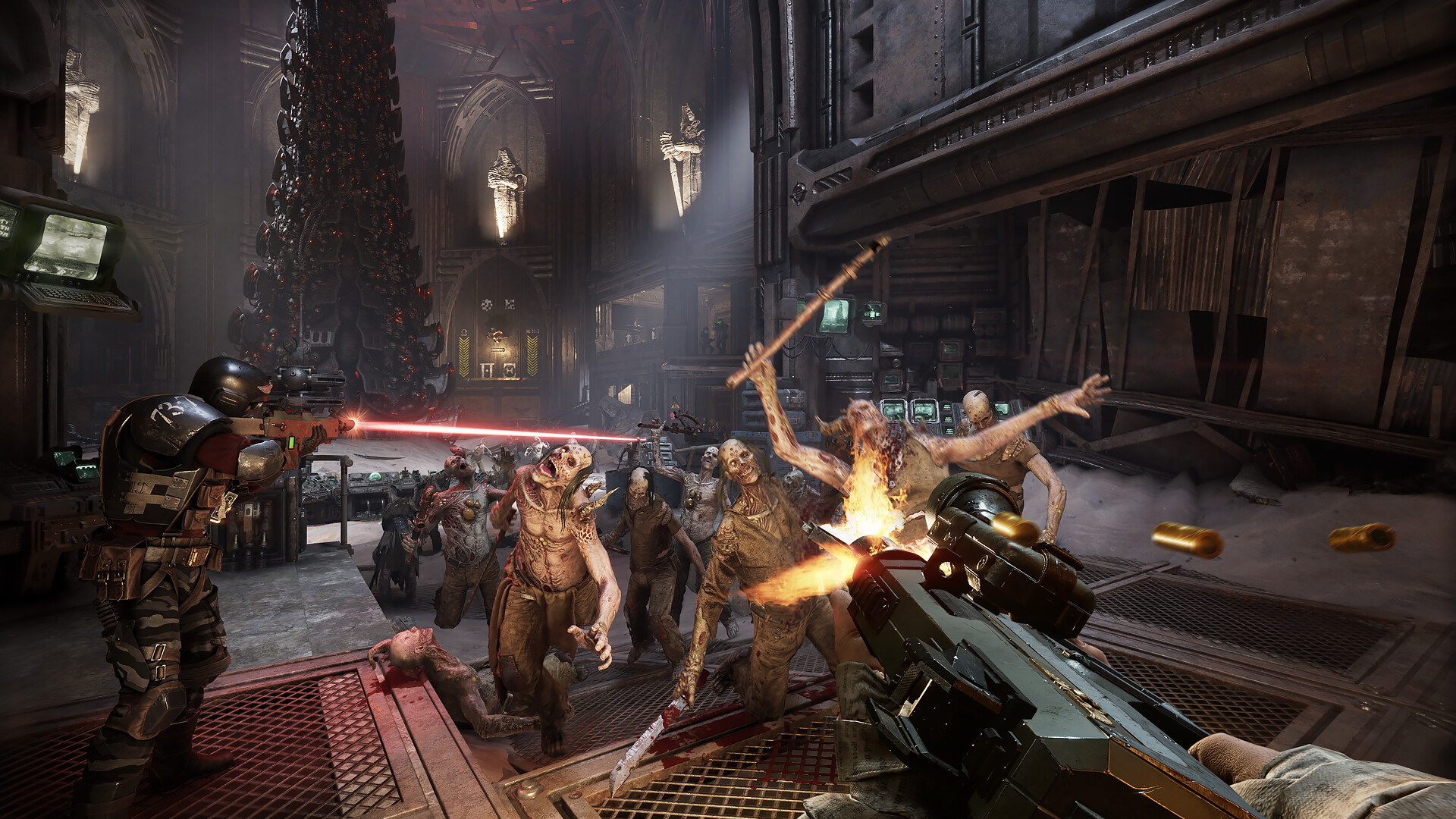
Cut to me, in the same match, and I’m juggling gaining stacks with melee and ranged alternately for a speed buff, building combo on my melee to unleash an AoE warp slice, keeping track of psionic charges to use empowered Smite for large groups of elites and big threats, all while keeping an eye out on teamates to pop a bubble shield on them if we need (and doing whatever I need to activate my weapon blessings, and looking for heretic idols, and…)
The end result is the same. We all kill chaos and save the day. But, through choosing to engage with these layers of available mechanics, I can have a vastly different experience despite us both doing the same thing in the end.
Forcing someone to play my way might make them hate the game. Forcing me to play their way would make me bored. That’s the kicker, even at the most fundamental level – the level of engaging with and controlling the videogame – we are so different.
If, even at that level, two players can be having completely different experiences then is it any wonder that issues arise? Is it any wonder people make assumptions? It’s easy to call Story Mode players brainlets and Hard Mode players sweats, but in reality we’re all just playing the game how we want to. How we think we are “supposed” to.
The burden of multiplayer games
I’d love for that to be the conclusion – for the answer to be that we are all playing how we want and nothing else matters. Unfortunately I’ve been in this game long enough to see the responses and examples where this fails coming from a mile away. From modding to online multiplayer and the ways games are “meant to be played”, there’s a bunch of schools of thought against this idea.
But that’s a whole other article.


 Frame Imperfect | Gaming
Leave a comment