
Amongst the era of Friendslop* (friendslop. Noun (slang) A videogame that creates a simple environment for cooperative groups to explore, allowing emergent gameplay and player actions to carry the experience more than any specific piece of game design) we’ve seen many a coop game emerge. Most are built around entering randomly generated maps, dying, or escaping with loot. It would be easy to see Abiotic Factor and think it’s more of the same, but don’t be fooled. Abiotic Factor is a genre-defining mix of Survival, Exploration, Combat and Skilling all set in a lovingly pre-made and hand-crafted world.
Abiotic Factor – At a Glance
Reasons to Install
- A hand-crafted world with varied biomes and side-worlds
- A survival game with an actual campaign and ending
- As much or little crafting grind as you want to handle
- Half-Life scientists
Reasons to Skip
- Way longer than you might expect
- Survival isn’t gruelling, so fans of things like Stranded Deep or Green Hell might not enjoy the “easy” survival elements
- No real-time map or minimap could make navigation hard in solo play
- Leyaks
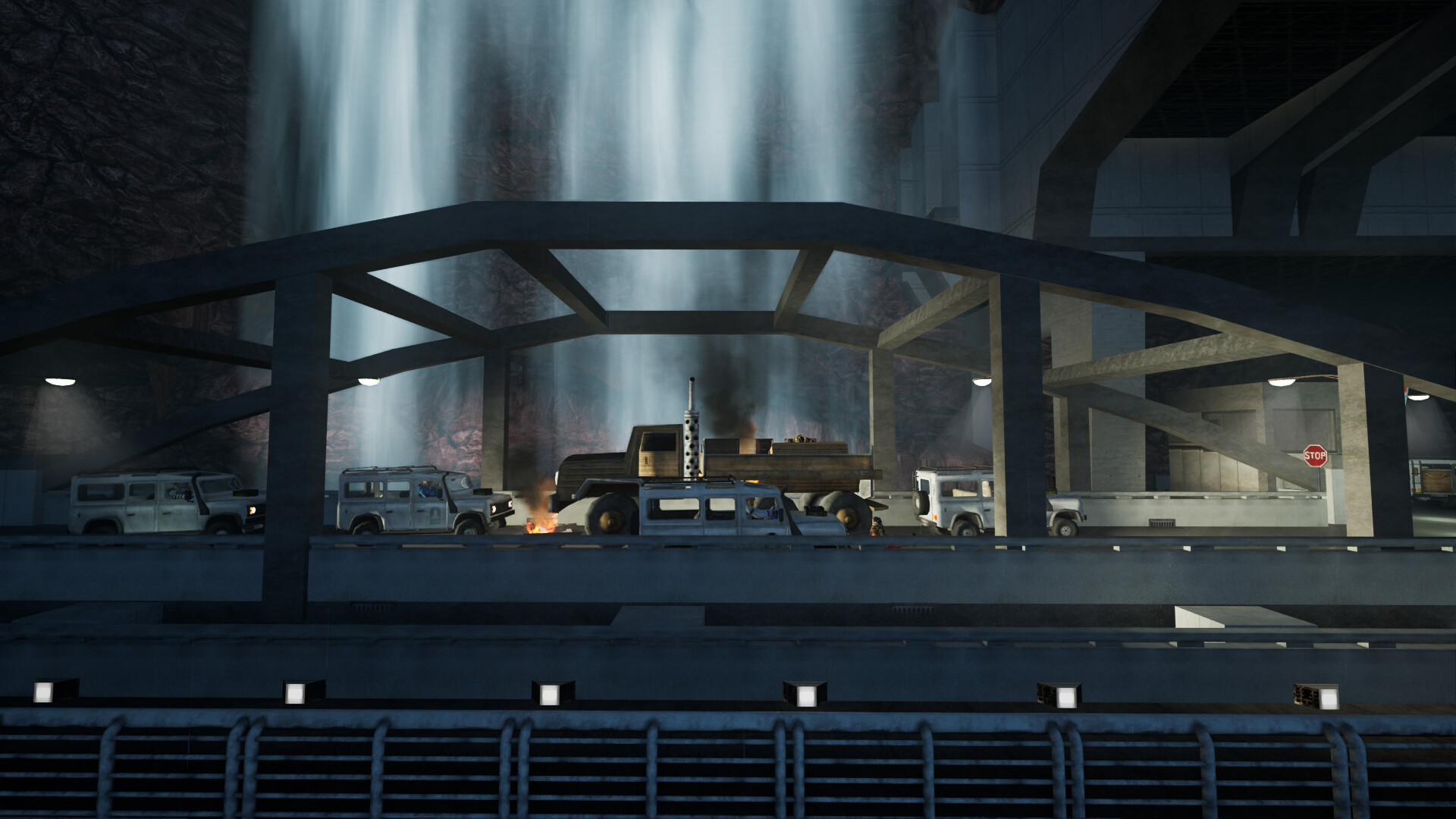
A Survival game that wants you to survive
I could spend a while breaking down everything Abiotic Factor is, but the list would be long as hell. For this moment the main thing I want to address is how it gets called a “Survival” game. When you look for similar games you find threads about Valheim, Grounded and Minecraft (And one guy suggesting Uncharted…I don’t know what comparison was going on there). While they share some similarities, Abiotic Factor is pretty far removed from just a Survival game, or just a Sandbox game, or just a Shooter.
A prime example: While catchy, Grounded’s “Drink or Die” was a tad frequent. The threat of death from not eating or drinking is lethal, compared to Valheim which instead makes you stronger the more full you are and doesn’t punish you for not eating with death. Abiotic Factor uses a system that rewards being full, rewards certain foods being eaten, and will give ample time to recover from starvation. In fact, it’s hard to get to starvation to begin with.
While food and drink need upkeep, you can also manage and reduce consumption. Just like the ancient Roman approach to medicine “Prevention is better than cure” (Thanks to my year 8 History teacher for engraving that so deeply in my brain). By using buffs that slow hunger and thirst, choosing to conserve energy, removing your bodysuits when not in use and more you can make hunger and thirst an occasional top-up rather than a constant looming dread.
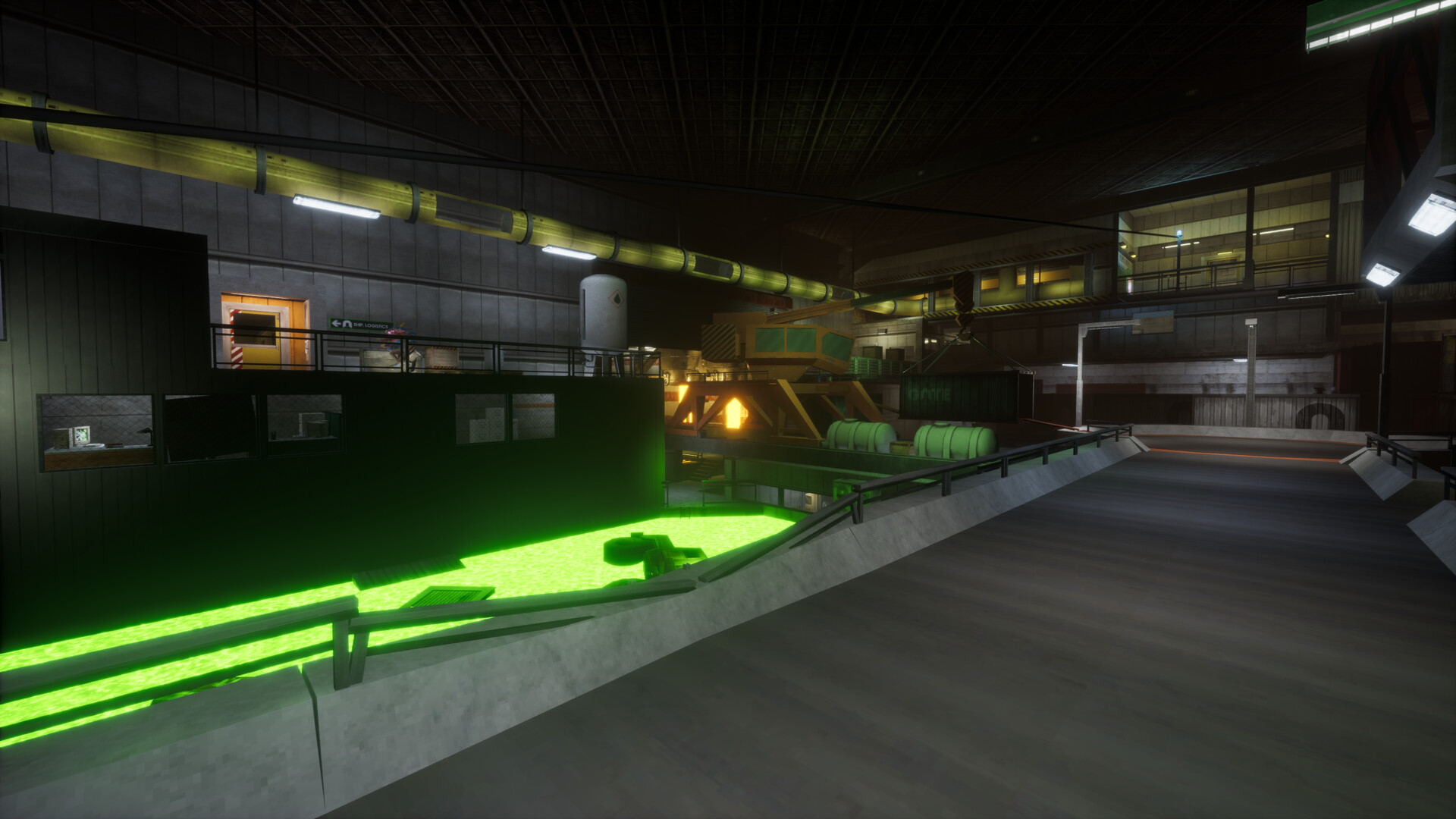
A survival game that is more than just surviving
Outside survival, the game could stand on its own. It’s a skill-grind RPG like Valheim or Runescape, but also an FPS, a horde shooter, a horror game, and immersive sim…to properly cover all the elements Abiotic Factor covers you’d need a list so exhaustive that it’s easier to just call it Genre-Defining and come up with a name later.
The blend of having a hand-crafted world (or, to be more accurate, multiple hand-crafted worlds) to explore but still having the emergent gameplay of a co-op survival experience is just absolute gold. By removing the random generation associated with Friendslop, Abiotic Factor provides a coherent campaign that can be freely explored but still has “scripted” events and intrigue, deliberate progression and evolving enemies.
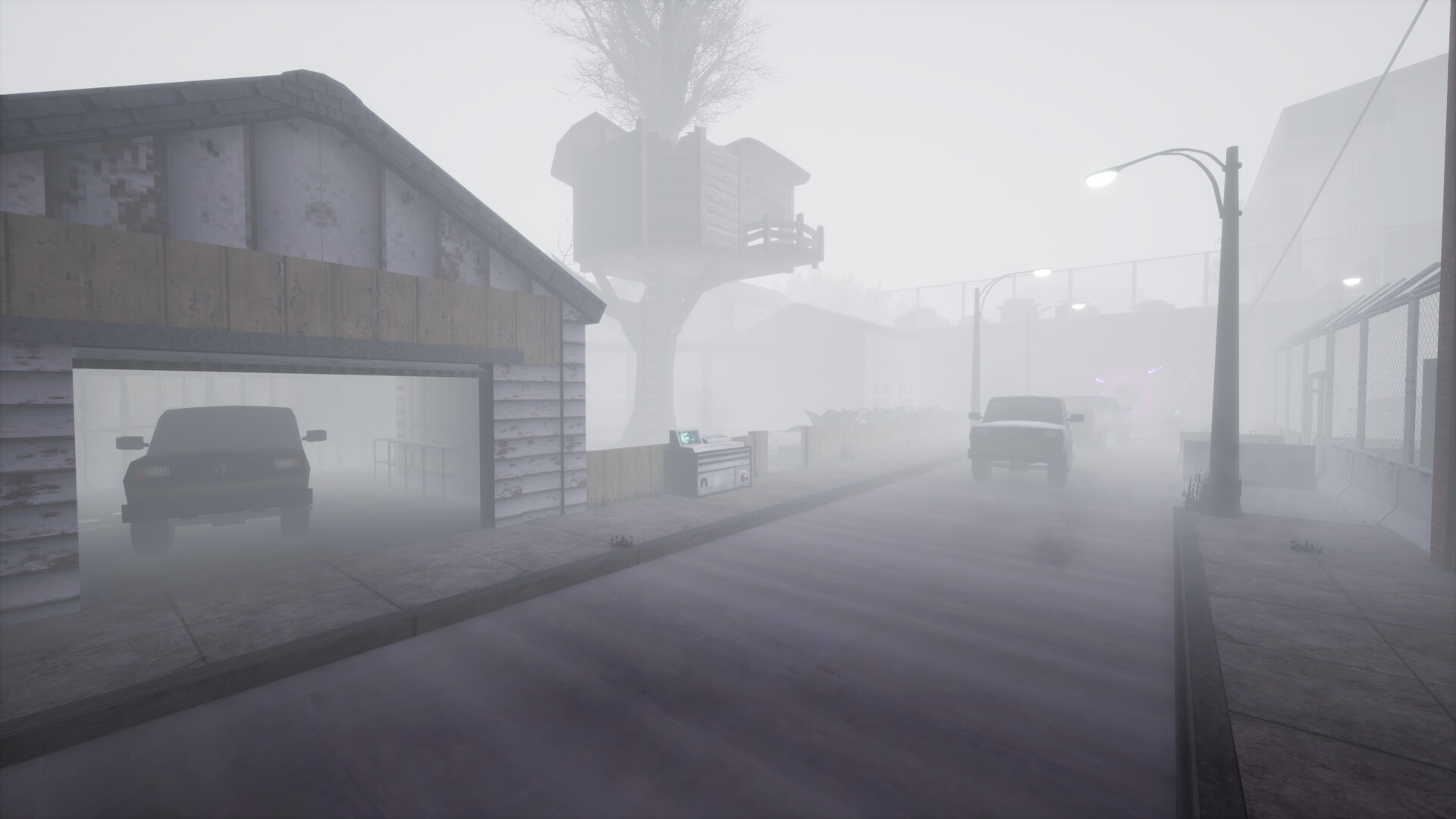
You won’t randomly wander into an area with an endgame enemy in, because there’s no procedural generation. This adds an element of consistency and permanence that other survival games lack, and which makes the game immediately more appealing for goal-oriented players like myself. It also allows deeper, more varied storytelling and encounters. The Cascade lab is full of SCP-adjacent creatures and objects, some of which are entirely optional but provide new ways to explore or fight. Not to mention multiple “portal worlds” which range from a Silent Hill style town to otherworldly floating islands, and even just a mall during a zombie apocalypse. You just don’t find that level of inspired individual design in a generic survival game.
If survival is too easy, does it count as survival?
There’s probably room for the argument that, by minimising the survival difficulty in a game like this, you de-incentivise exploration and the panic of finding food and water, trivialising the challenge of the mechanic. After all, you can’t feel relieved if you never felt threatened, and you can’t feel out of the woods if you never got lost, and you can’t see the light at the end of the tunnel if there’s not a tunnel…(Okay I’m out of analogies now).
The reason “Drink or Die” is so iconic is that it suddenly forces the immediacy of the mechanic upon the player, and forces you to re-evaluate your task priority. In the middle of a fight you abandon it to find a dewdrop, for example. In Abiotic Factor you’re more likely to just “tough it out” and fight hard to get to safety, then calmly deal with the situation or go to a location that has the supplies you need. This could make Abiotic Factor seem too easy in terms of survival management.
To that I say: Maybe.
There’s two things I think stop that being a problem for Abiotic Factor.
- Abiotic Factor isn’t just a Survival game. The assumption that survival elements need to be constantly tended to and constantly lethal is based on the assumption that Abiotic Factor is a Survival game. While Abiotic Factor certainly is a survival game to some degree, it’s also a lot of other things. To allow the game to balance all its elements and allow all playstyles, the survival elements need to be less intimidating. In the same way you can trivialise early combat by spamming Slushie Grenades, you can trivialise early survival with vending machines. These strategies don’t make the game too easy, they allow players to focus on what they care about and have the experience they want.
- Abiotic Factor does make you feel relieved (And no, I don’t mean the toilet minigame). Despite the relative “ease” of survival mechanics, Abiotic Factor isn’t suddenly a walk in the park. It’s not just eating and drinking that matter like in a pure survival game, and it’s balancing those elements with actually progressing that makes a whole new type of gameplay hook. So while you might not think “Oh thank god a cookie” to stop you starving, you will think “Oh thank god a shortcut door lets go home” after exploring a lab or portal world.
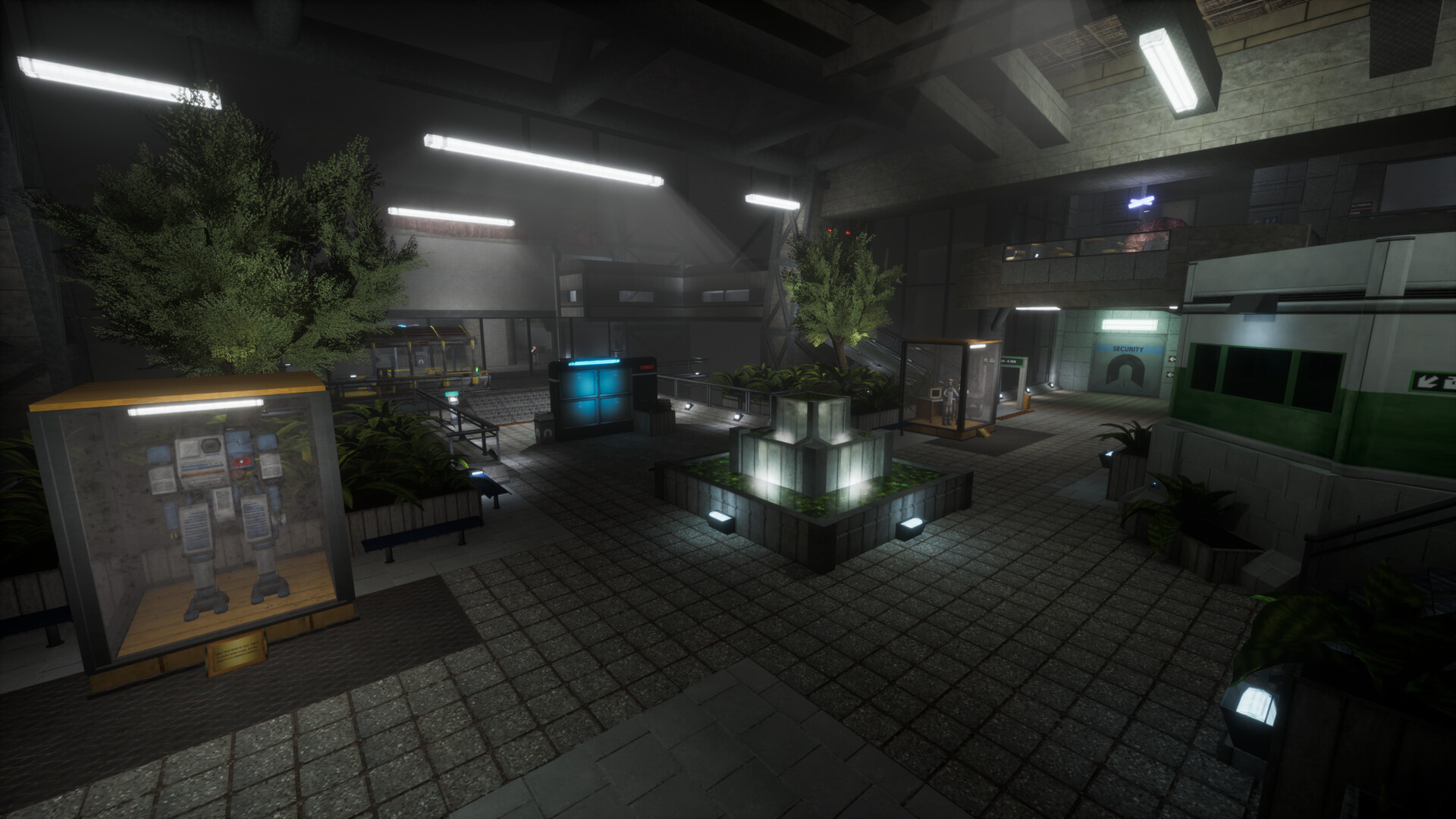
Abiotic Factor is genuinely something for everyone
After combing through the survival mechanics and all the ones it surrounds, Abiotic Factor really is suitable for so many types of player. You can horde resources, spec into combat, prepare with soups and meals, construct bases and exploration aids like bridges or ropes, use ranged or melee, sneak and even have a build based around yeeting whatever is nearby at enemies.
The upshot is that if you look up games similar to Abiotic Factor, none of them will actually have everything Abiotic Factor offers. Valheim has crafting and base building but nowhere near the extent of hand-crafted content and campaign points, or NPC interactions. Grounded has the pre-made world, but is harsher on survival and doesn’t have the immersive sim elements of Abiotic Factor down as much. Both those games take place in one world, while Abiotic Factor uses portals and SCP-style entities to vary the environment and gameplay all throughout.
I think it will be a long time before I find a survival game as genuinely intriguing and fulfilling to experience as Abiotic Factor.
*Friendslop isn’t a derogatory term in the same way Boomer Shooter doesn’t mean only certain generations like them, they’re just the terms that stuck and now perfectly describe a game experience to people without wasting breath.



 Frame Imperfect | Gaming
Leave a comment